
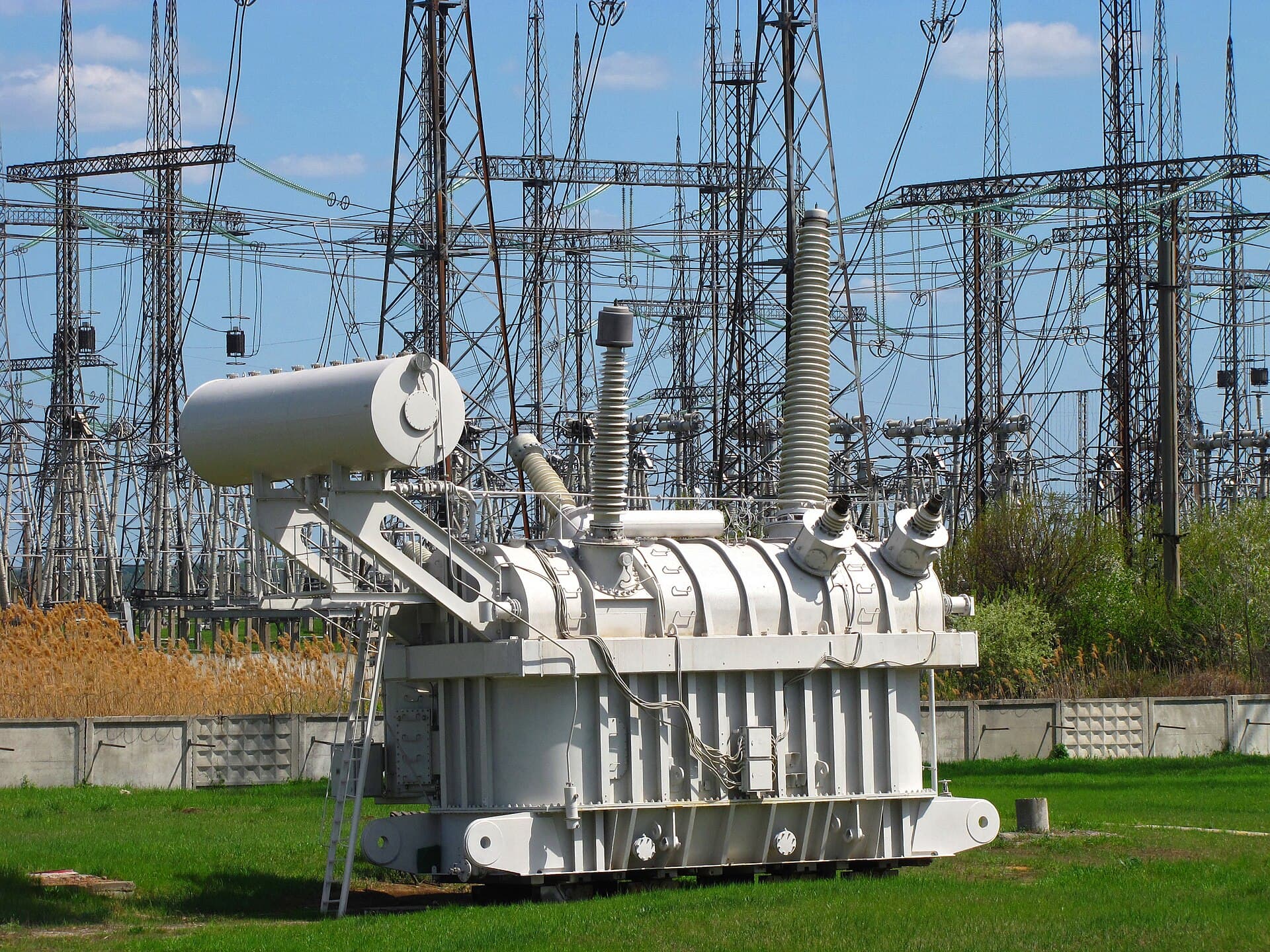
Power & grid
Corrosion, insulator condition, thermal faults and vegetation encroachment across long linear assets and dense substation yards.
The network is long, and most of it nobody has looked at this year
Transmission and distribution assets are measured in thousands of kilometres and tens of thousands of structures. Helicopter patrols cover the important lines, foot patrols cover what they can, and the rest gets inspected after something has already failed. The failures that cause outages are small, local and visible: a hot connector, a cracked insulator, a tree that grew.
Four failure modes, and what each one costs you late
Three of these are condition problems and one is a compliance problem. The regulator only asks about the fourth, which is exactly why the other three go unfunded.
Connector and joint hotspots
- How it shows
- A thermal rise at a clamp, splice or terminal under load
- What it costs late
- Progresses to failure and takes the circuit with it, usually at peak load
- What catches it
- Thermal over the yard or span, with load from SCADA so the temperature actually means something
Insulator damage and flashover risk
- How it shows
- Chipping, cracking, tracking marks, contamination
- What it costs late
- Flashover in wet conditions, and an outage nobody predicted
- What catches it
- RGB at structure resolution, classified per insulator string and tracked across passes
Steelwork and hardware corrosion
- How it shows
- Rust at joints and fittings, coating breakdown on towers
- What it costs late
- Structural over years, and replacement cost multiplies once it reaches the member
- What catches it
- Capture attaches condition to the structure, so a trend replaces a one-off patrol note
Vegetation encroachment
- How it shows
- Growth into the clearance envelope along the corridor
- What it costs late
- The regulated one. Contact causes outages and, in the wrong conditions, fires
- What catches it
- Corridor capture measures clearance rather than describing it, and re-measures on a cycle
Severity here is how we rank the class by default, not a judgement about your site. Every threshold is set per deployment, and a mode you consider routine can be dropped down the ranking on day one.
Six things the layer runs on a network
Two of these exist because a thermal reading without load context is not evidence, and one exists because nothing in this platform is allowed to act inside a switchyard.
Survey yards, spans and corridors
Substation bays, conductor runs and structures captured at the resolution each class needs, classified per structure and per phase.
Attach load at capture time
The reading is pulled from your SCADA for the moment of capture. A connector at 40 degrees under 20 percent load is a different finding from the same number at 80.
Measure clearance, do not describe it
Vegetation against the clearance envelope along the corridor, measured and re-measured on a cycle, which is the form a regulator asks for.
Hold condition per structure
Corrosion, hardware and foundation condition attached to the structure itself, so a patrol note becomes a trend across years.
Escalate rather than act
Switchyard work sits above the autonomy limit by default. The agent assembles the frame, the load and the comparable phases, then stops and hands it to a duty engineer.
Produce the compliance evidence
Clearance cycles and inspection coverage in the form your regime is audited against, as a by-product of the work rather than a quarterly assembly job.
A connector hotspot that was escalated, not dispatched
Switchyard work sits above the autonomy limit by default, and this is what that looks like in practice. The agent did not act. It assembled the evidence a duty engineer needs and stopped.
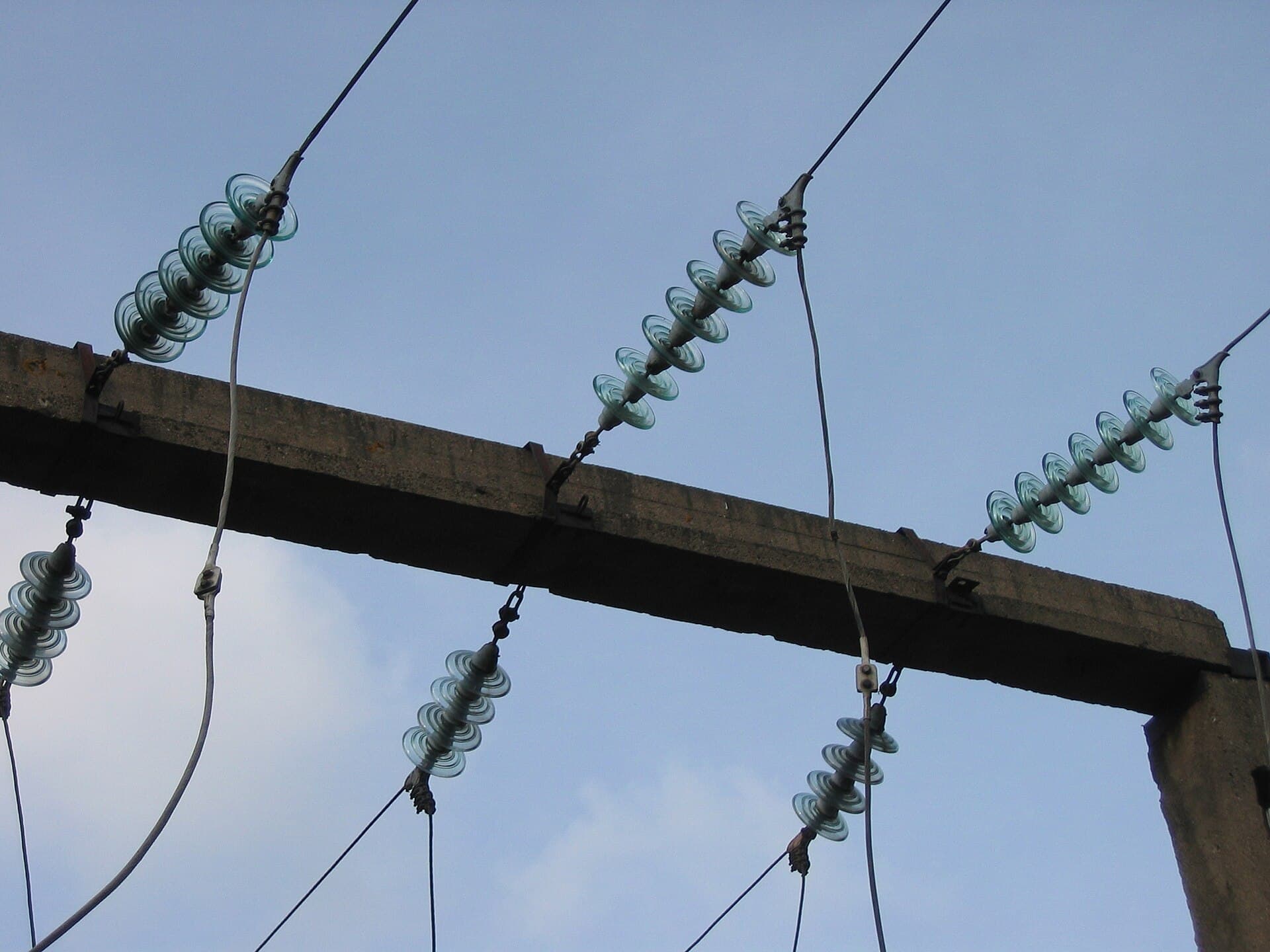
Connector hotspot, bay 3
SS-04 · bay 3 · phase B
- delta T
- 38 K
- load at capture
- 72% rated
- phases affected
- B only
- standard
- IEC 62271
Escalated to the duty engineer
Above the autonomy limit for switchyard work. The finding went with the thermal frame, the load at capture time and the two comparable phases attached.
Identifiers and values are illustrative.
How a network deployment starts, and then repeats
Slower to stand up than most sectors, and honestly so: the constraints here are airspace, clearances and your change process rather than anything technical.
Connect and agree the flight rules
Read-only into SCADA for load context, and a flight plan agreed with operations that holds a working distance from energised conductors. Where a clearance cannot be met, that section is covered another way.
Baseline the assets that matter
Substations and the priority corridors first, structure by structure. Coverage widens once the method and the evidence format are accepted internally.
Run the cycle
Thermal twice a year on yards, corridors annually and more often in growing season. Findings inside the switchyard escalate; findings on the corridor become scheduled work.
Widen carefully, and not everywhere
Vegetation and corridor work are where limits usually open first. Switchyard autonomy is a limit most networks never open, and we would not push for it.
What lands on your side after a cycle
Two audiences: the engineer deciding what to fix, and the regulator asking what you inspected and when.
Structure condition record
Every structure captured, classified and dated, comparable against previous cycles.
Web viewer · CSV
Thermal findings with load
Every hotspot carrying the load at capture time and the comparable phases, which is what makes it evidence.
CSV · API
Clearance measurements
Vegetation against the envelope along the corridor, measured per span rather than described per patrol.
GeoJSON · CSV
Escalations with evidence
Switchyard findings assembled for a duty engineer: frame, load, comparable phases and the rule that stopped the agent.
O-AGENT · email
Corridor work plan
Vegetation and access work scheduled against condition and season rather than a fixed rotation.
CSV · O-OPS
Compliance evidence pack
Inspection coverage and clearance cycles in the form your regime is audited against.
PDF · CSV
The compliance pack is the by-product rather than the project. That is the difference between a quarter spent assembling evidence and a quarter spent acting on it.
How often, and what for
Anchored to the standards your regime is audited against. Vegetation is the one with a regulator attached to the interval.
- SubstationsTypical cadenceThermal twice a year, RGB annuallyWhat the pass looks forConnector hotspots, bushing condition, oil traces, corrosionReferenceIEC 62271
- Overhead linesTypical cadenceAnnually, or on conditionWhat the pass looks forConductor damage, splice condition, hardware wear, insulatorsReferenceIEC 61089
- Corridor and clearanceTypical cadenceAnnually, more often in growing seasonWhat the pass looks forVegetation clearance, encroachment, access conditionReferenceNERC FAC-003
- StructuresTypical cadenceAnnuallyWhat the pass looks forCorrosion, member damage, foundation and earthing conditionReferenceISO 55001
These intervals are the starting points the standards describe, not a measured result of ours. Insurers, warranty terms and your own history will move them, and the point of planning from condition is that the interval stops being the thing that decides.
All four modules, on a network
Grid is the sector where the agent's most important behaviour is refusing to act. Everything inside a switchyard escalates.
Detect
Flies substation yards, spans and corridors, classifying per structure and per phase.
Leaves behind
Structure, span and yard captures, classified per structure and per phase.
Analyse
Supplies the load at capture time, without which a temperature reading is not a finding.
Leaves behind
The load at capture time, without which a temperature reading is only an observation.
Operations
Holds structure records, previous patrol findings and the outage history.
Leaves behind
Structure records, previous patrol findings and the outage history.
Decide & act
Plans coverage from condition and season, and escalates anything inside the switchyard rather than acting.
Leaves behind
Coverage planning, the escalation decision, and the record of why it stopped.
- 01O-EYEDetectInspection & digital twin
- 02O-ARCAnalyseSensors, IoT & telemetry
- 03O-OPSOperationsThe system of record
- 04actsO-AGENTDecide & actThe agentic layer
Every action writes back to the record, so the model sharpens with every job.
Questions from this sector
Can you fly over live lines?
Capture is planned to hold a working distance from energised conductors, and the flight plan is agreed with your operations before anything lifts. Where a clearance cannot be met, we say so and the section is covered another way rather than flown closer.
How is this different from a helicopter patrol?
Coverage economics, and what happens to the output. A patrol produces observations; this produces measurements attached to structures that compare with last year's. For long transmission spans a helicopter is often still the right tool, and its findings belong in the same record either way.
Does thermal need load context?
Yes. A connector at 40 degrees under 20% load is a different finding from the same reading at 80%, which is why load at capture time is pulled from your SCADA and printed on the finding. A thermal report without load is an observation, not evidence.
Can an agent operate anything on our network?
No. Nothing in the platform writes to a control system, and switchyard work sits above the autonomy limit by default, so findings there are escalated to a person with the evidence attached.