
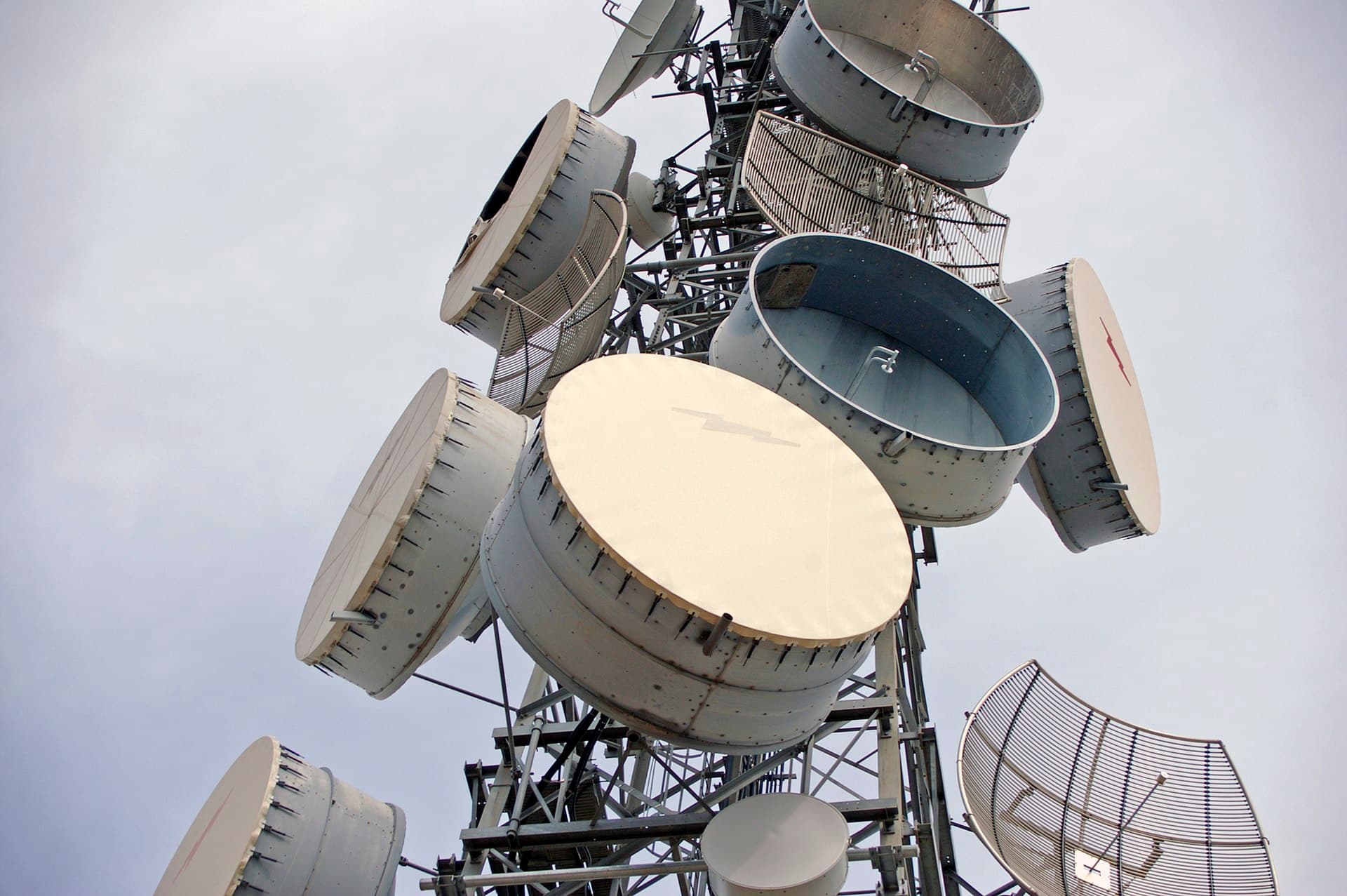
Telecom towers
What is actually bolted to the tower, what it does to the structure, and whether the next tenant will fit — from a pass that needs nobody to climb.
Nobody is certain what is bolted to the tower
A tower portfolio is a leasing business whose product is structural capacity, and most of them cannot say with confidence what is currently attached to any given structure. Antennas get swapped on a maintenance visit and the record does not follow. Decommissioned kit stays bolted on because removing it was somebody else’s budget. The loading assessment on file was done against the as-built of several years and several tenants ago. So the answer to "can we take another tenant here" is produced by sending someone up a tower with a clipboard, at a day rate, at height, and the answer expires almost immediately.
Four failure modes, and what each one costs you late
One of these drops steel on the ground. The other three are commercial: they are how a leasing business loses track of the thing it is leasing.
Structural corrosion and member loss
- How it shows
- Corrosion at connections and the base, coating failure, bent or missing bracing
- What it costs late
- Collapse, and a structure that was carrying three tenants’ networks
- What catches it
- Close-range capture of every level and connection, compared against the previous pass
Mount and fixing failure
- How it shows
- Corroded or missing bolts, slipped mounts, unapproved fixings, mixed hardware
- What it costs late
- Equipment falls, or a tenant’s network drops and the fault is yours
- What catches it
- Every mount photographed and classified, at a cadence a climb schedule cannot match
Feeder, cable and ancillary condition
- How it shows
- Unsupported runs, damaged jackets, ice bridge and waveguide condition, obsolete kit left in place
- What it costs late
- Wind loading you did not design for, carried by cables nobody uses
- What catches it
- Capture that records what is actually there rather than what should be
Inventory and as-built drift
- How it shows
- The record describes a configuration that changed three tenants ago
- What it costs late
- Every loading assessment starts with a climb, and every lease negotiation waits for it
- What catches it
- An inventory rebuilt from capture, versioned each pass, so drift is visible rather than assumed
Severity here is how we rank the class by default, not a judgement about your site. Every threshold is set per deployment, and a mode you consider routine can be dropped down the ranking on day one.
Six functions, on your towers
Everything above is your problem. These six are ours: what the layer actually does to a portfolio of structures somebody keeps bolting things to.
Inspect without a climb
Every level, mount, connection and cable run captured close-range from the air, at a cost that makes a portfolio-wide cadence possible rather than aspirational.
Rebuild the inventory from what is there
Antennas, mounts, dishes and ancillaries identified with height, azimuth and confidence, against the structure rather than against a spreadsheet.
Classify structural condition
Corrosion at connections, coating loss, bent or missing members and guy condition returned as findings with a grade, not as a photo library.
Show what changed since last pass
Equipment added, removed or moved between passes, which on a leased structure is the number that matters commercially and structurally.
Feed the loading assessment
A current as-built model handed to your structural engineer, so a capacity answer starts from measurement instead of from a climb that has not been booked.
Hold the site file together
Inventory, condition, leases, assessments and completed work against the site, so the answer to a tenant question is one lookup.
An antenna nobody has a record of, on a corroding mount
Two findings that are only interesting together: the steel is deteriorating, and the thing bolted to it was never in the assessment that said the steel was adequate.
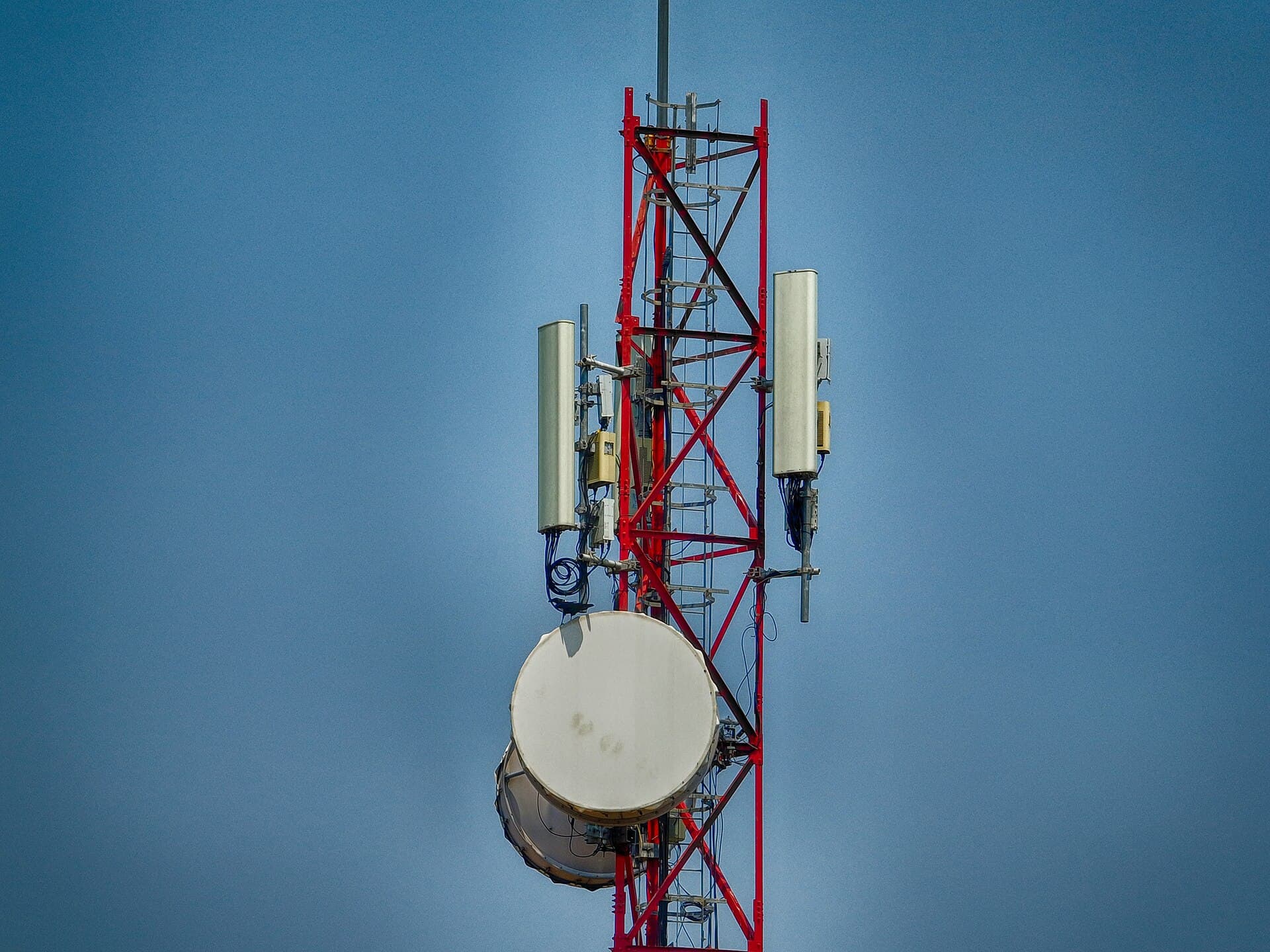
Mount corrosion with an undocumented antenna attached
Site 4412 · level 2 · mount 3
- corrosion
- Grade 3, at the fixing
- confidence
- 0.92
- in as-built
- No
- standard
- TIA-222
Escalated ahead of the pending tenant application
Structural adequacy is above the autonomy limit. The escalation went with the frames, the current as-built model and the note that an application to add a fourth tenant is already open on this site.
Identifiers and values are illustrative.
From a cluster to the portfolio
It starts on a cluster rather than a single site, because the argument here is about unit cost across thousands of structures, and one site proves nothing about that.
Connect the site register
Read-only from your site database and lease record for one cluster, so captured equipment has something to be compared against.
Fly the baseline
Every level and mount on the cluster. For most portfolios the resulting inventory disagrees with the record on a meaningful share of sites, and that disagreement is the first deliverable.
Run the cadence
Structural on a multi-year cycle, inventory on every tenant change. The change report between passes is the product.
Widen across the portfolio
Classes, naming and confidence thresholds are set. The next thousand sites are a scheduling exercise, not a project.
Six things that land on your side
Artefacts, not access. Everything here exists in your systems and your formats whether or not anybody opens ours.
Verified equipment inventory
What is fitted, on which mount, at what height and azimuth, each entry with a confidence.
CSV · API
Structural condition report
Corrosion, coating, member and connection condition per level, graded and evidenced.
PDF · CSV
As-built model
A current measured model of the structure and everything on it, for the loading assessment.
LAS · OBJ
Change report
Equipment added, removed or moved since the previous pass, per site.
CSV · dashboard
Compound and access survey
Fencing, hardstanding, cabins, vegetation and drainage condition per site.
PDF · GeoTIFF
Site evidence pack
Inventory, condition, assessments and completed work exported per site with provenance intact.
PDF · ZIP
Formats are the common case; the exact shape is agreed per deployment.
How often, and what for
The driver here is commercial rather than statutory: the record ages every time a tenant touches the structure, and tenants touch the structure constantly. Capture on change, not only on calendar.
- Tower structureTypical cadenceEvery 3 to 5 years, plus after severe weatherWhat the pass looks forMember and connection corrosion, coating, plumb and twist, guy condition, foundationReferenceTIA-222 · EN 1993-3-1
- Antennas and mountsTypical cadenceOn every tenant change, plus annuallyWhat the pass looks forWhat is fitted, on which mount, at what height and azimuth, with fixing conditionReferenceTIA-222
- Compound and accessTypical cadenceAnnuallyWhat the pass looks forFencing, gate, hardstanding, cabin condition, vegetation, drainage, securityReferenceOperator standard
- Power and backupTypical cadenceThermal annuallyWhat the pass looks forCabinet, rectifier and generator hotspots, fuel and battery condition, earthingReferenceNFPA 70B
These intervals are the starting points the standards describe, not a measured result of ours. Insurers, warranty terms and your own history will move them, and the point of planning from condition is that the interval stops being the thing that decides.
Three modules, one portfolio
A tower carries no process telemetry of its own worth corroborating a structural finding against — the network operations centre knows about the radio, not about the steel. Three modules do the work here, and saying so is better than drawing a fourth box.
Detect
Flies every level, mount and connection, and returns a classified inventory and structural condition rather than a folder of photographs.
Leaves behind
Verified antenna and mount inventory, structural findings, and an as-built model
Operations
Holds the site register, the lease and tenant record, the loading assessments and the inspection history.
Leaves behind
The site file, the work order and the evidence behind a capacity answer
Decide & act
Compares what was captured against what is on record, and escalates structural adequacy rather than deciding it.
Leaves behind
Drift reports per site, and escalations ahead of tenant applications
- 01O-EYEDetectInspection & digital twin
- 02O-ARCAnalyseSensors, IoT & telemetry
- 03O-OPSOperationsThe system of record
- 04actsO-AGENTDecide & actThe agentic layer
Every action writes back to the record, so the model sharpens with every job.
Questions
Does this remove the need to climb?
For inspection and inventory, largely yes, and that is the point: the climb is the expensive, slow, dangerous part. For repair somebody still goes up. What changes is that they go up knowing what they will find and carrying the right parts.
Can you do the structural loading assessment?
No. A loading assessment is a signed engineering calculation and that is a structural engineer’s job. What we produce is the accurate, current as-built the assessment needs as its input, which today is usually the thing holding it up.
How accurate is the antenna inventory?
Model and type identification from imagery is good but not perfect, and every entry carries a confidence. Where the pass is unsure it says so rather than guessing, and those are the ones worth a human look.
What about rooftop sites?
Same problem, harder airspace. Rooftop sites sit in dense areas where flight over people is constrained, so coverage there is lower and slower than on greenfield masts. We would rather say that up front than promise a portfolio-wide sweep we cannot fly.