0304
A handover pack assembled as the work happensCommissioning
Verify equipment against the design record, capture test evidence and close punch lists, so handover is an export rather than a reconstruction.
The pack is assembled at the end, from evidence left by people who have gone
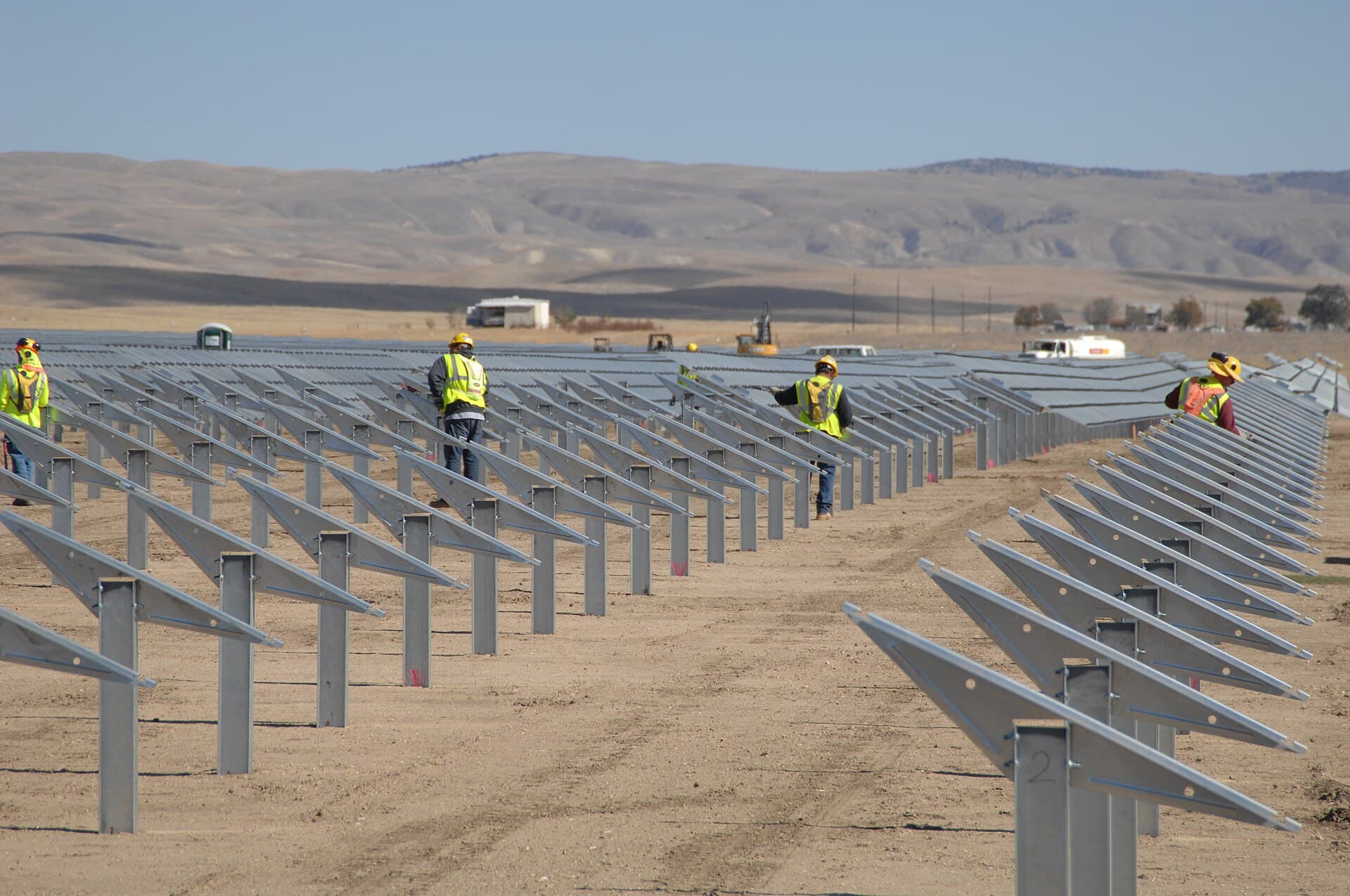
Commissioning is where a project finds out what it failed to record. Serial numbers were photographed on somebody's phone, test results sit in a folder structure that made sense to one engineer, and the punch list is a spreadsheet with a date in the filename. The pack gets built in the last six weeks by whoever is still on the project, and the operator inherits a record they cannot verify.
Equipment checked against the design record while the crew is still there
A verification pass reads what is actually installed and compares it with what the design said would be, so a mismatch is a punch item this week rather than a discovery in year two.
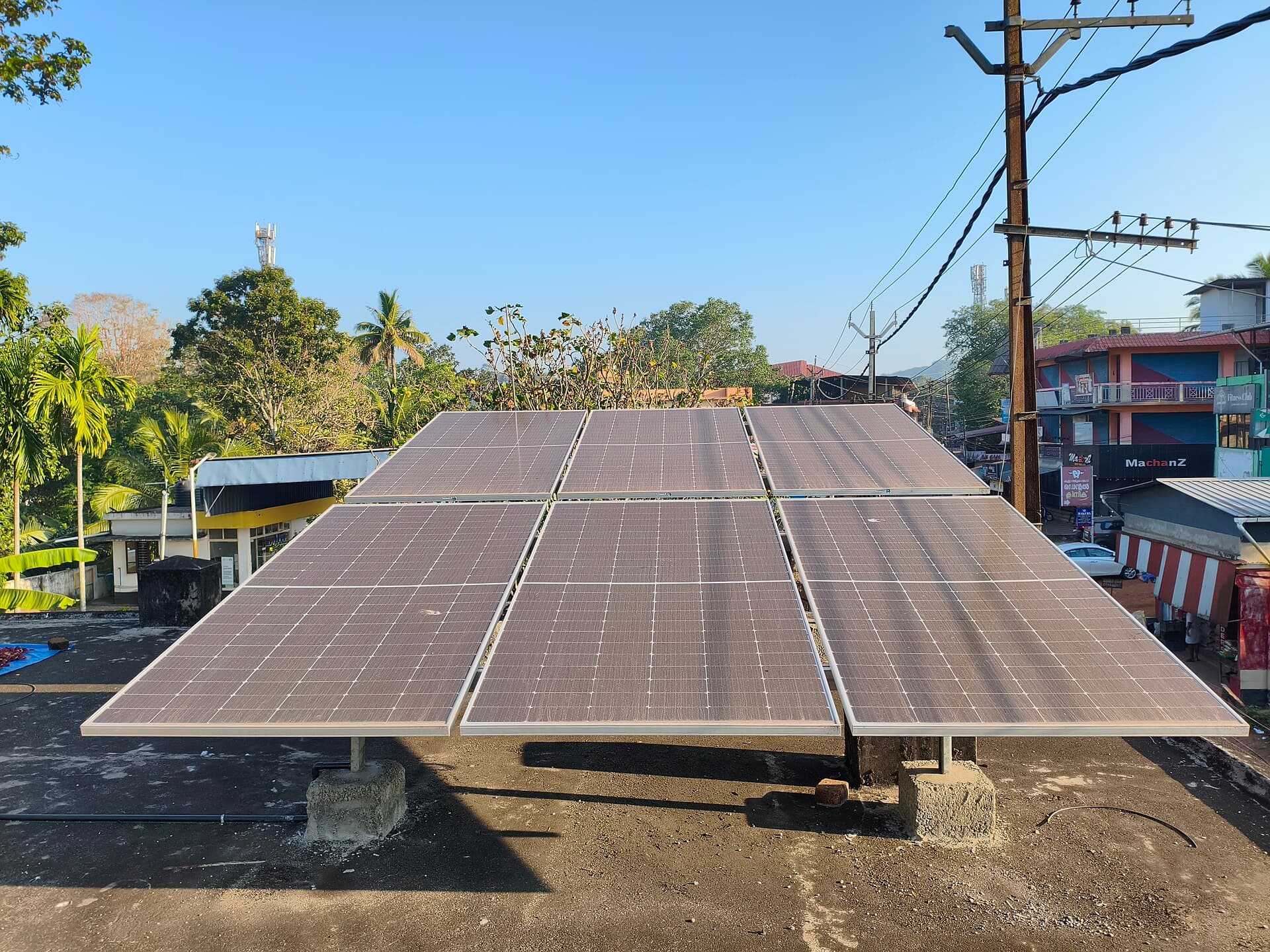
Serial mismatch against the design record
Inverter 04 · string A
- verified
- 214 / 220
- mismatched
- 6
- standard
- IEC 62446
- captured
- 04 Feb
Punch item raised against the installer, with evidence
The frame, the design record and the serial read are attached, so the item is closed by fixing it rather than by arguing about it.
Identifiers and counts are illustrative.
What changes when the pack builds itself
Four capabilities, and between them they turn handover from a project into an export.
Verify what is installed
Equipment, serials and positions read from capture and compared with the design record. The exception list is what is different, not a list of everything that exists.
Capture test evidence in place
Results, readings and photographs attached to the asset they belong to as they are taken, rather than filed under whoever took them.
Run the punch list against the record
Every item carries the evidence it was raised from and the evidence it was closed with, so closure is verifiable rather than asserted.
Assemble the pack continuously
The bundle is a view of the record rather than a document somebody builds at the end. On any given day you can see exactly what is missing.
A handover bundle that is already most of the way built
A view of the record on a given day, not a document produced at the end of the job. The two lines that are not finished are the point: you can see what is outstanding while there is still a crew on site to close it.
- Assembled continuously, so the state is visible on any day rather than only in the last six weeks.
- Every item traces to the capture, reading or document it came from.
- Exported as a bundle the operator can hold, in open formats, without a licence for our platform.
- What is not finished is shown as not finished. A pack where everything is green is a pack nobody checks.
Counts and states are illustrative. They show what the bundle holds and what an unfinished one looks like.
- As-built model and orthomosaicv14Final capture, geo-referenced, versioned against the baseline.Complete
- Equipment register and serials214 / 220Verified against the design record, with exceptions listed.Complete
- Test results and readings1,180Attached to the asset, with the date and who recorded them.Complete
- Punch list6 openOpen items with the evidence they were raised from.Open
- Certificates and compliance96Warranty, conformity and inspection certificates held per asset.Complete
- Sign-offpendingWaiting on the outstanding punch items and the final walkdown.Waiting
The same bundle becomes the operator's opening record on day one, which is the only reason any of this matters.
Three modules, in this phase
This is the phase where the record has to be complete rather than clever, so nothing here acts on its own. The agent's limits are opened once the plant is in service.
Detect
Captures the as-built condition and reads equipment and positions against the design record.
Read moreAnalyse
Pulls the first readings from equipment as it is energised, so commissioning tests are evidence rather than a note.
Read moreOperations
Holds the register, the punch list, the certificates and the pack itself, and hands them over intact.
Read moreWhat leaves this phase
An as-built record
Final capture and model, versioned against the baseline set before groundbreaking.
A verified equipment register
What is actually installed and where, with exceptions against design listed rather than smoothed over.
A traceable punch list
Items carrying the evidence they were raised from and the evidence they were closed with.
A handover bundle
Certificates, tests, drawings and the model, exported in open formats as the operator's opening record.
- 01O-EYEDetectInspection & digital twin
- 02O-ARCAnalyseSensors, IoT & telemetry
- 03O-OPSOperationsThe system of record
- 04actsO-AGENTDecide & actThe agentic layer
Every action writes back to the record, so the model sharpens with every job.
Questions from this phase
Can this read serial numbers reliably?
From close-range capture, often. From an aerial pass at array scale, not dependably, and we would rather say so than let you plan around it. In practice serial verification is a mix of capture, handheld reads and the installer's own records, all landing in the same register.
Our EPC has their own handover process. Does this conflict with it?
It usually replaces the assembly work rather than the process. The contractual deliverables stay whatever your contract says. What changes is that the evidence is already collected and attached, so producing them is an export rather than a project.
What happens to the pack after handover?
It becomes the operator's opening record, which is the whole reason to build it this way. The hierarchy, the certificates and the as-built model are the same objects operations will be working against on day one.
Can we start at commissioning if we did not use the earlier phases?
Yes, and it is a common starting point. You lose the baseline comparison, so as-built is recorded as found rather than as changed. Everything from commissioning forward works normally.