
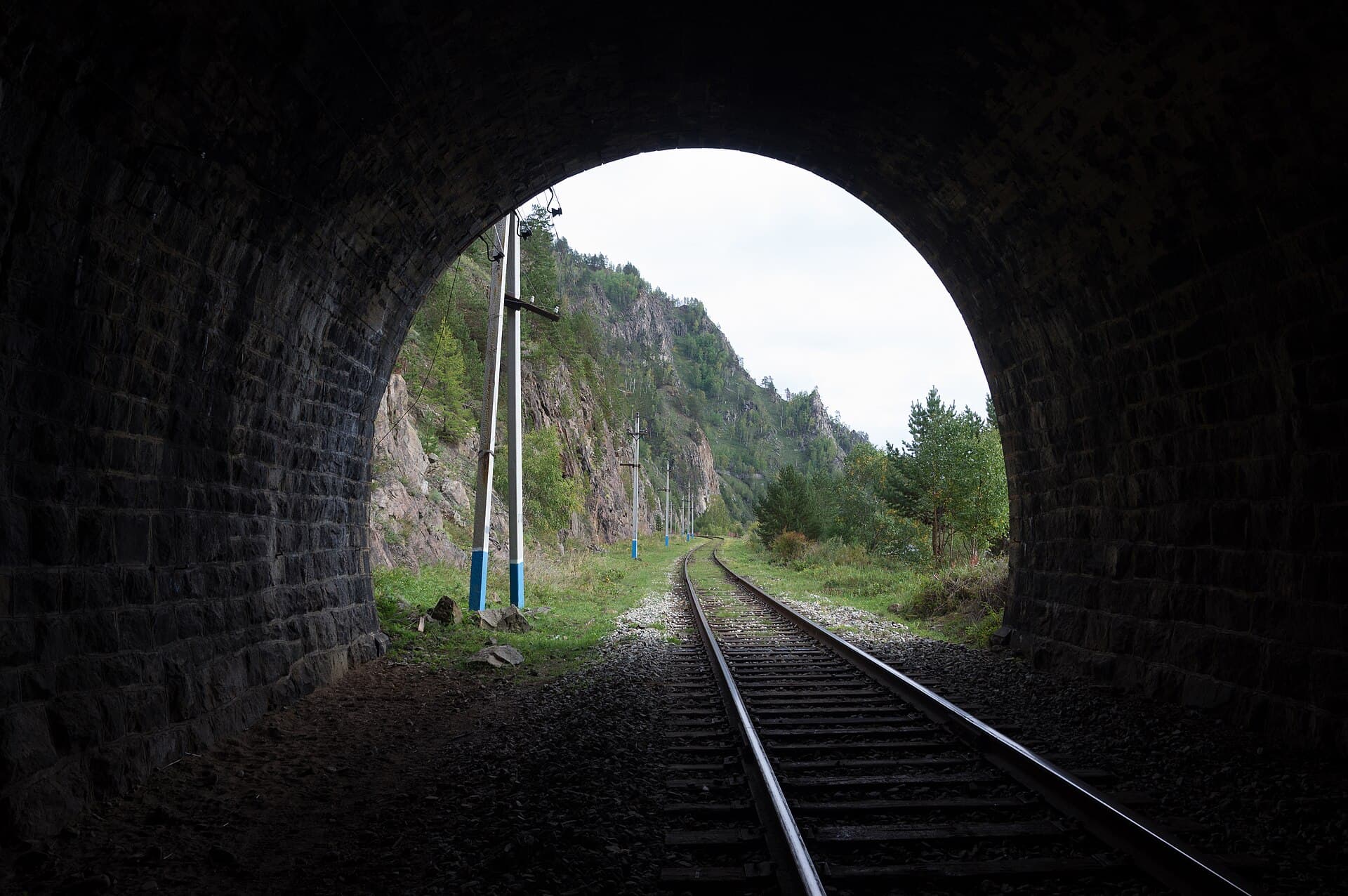
Tunnels and metro
Lining condition and convergence measured in the hours the tunnel is closed, so a defect is a rate of change rather than a note from the last inspection walk.
Four hours a night to inspect something eight kilometres long
A metro tunnel is available for inspection between the last train and the first, which in practice is three or four usable hours. In that window a team walks a length of bore with torches, records what they can reach, and leaves. The result is that most of the asset is described rather than measured, that descriptions written by different people in different years cannot be compared, and that the question every tunnel engineer actually wants answered — is this ring converging faster than it was — is not answerable from the inspection record no matter how conscientiously it was compiled.
Four failure modes, and what each one costs you late
The first two are structural and slow until they are not. The other two close a railway just as effectively and are usually somebody else’s department.
Lining deterioration and convergence
- How it shows
- Cracking, spalling, bolt corrosion, ring distortion, convergence increasing
- What it costs late
- Speed restriction or closure on an asset with no alternative route
- What catches it
- The same rings measured pass over pass, so convergence is a rate and not a reading
Water ingress and drainage failure
- How it shows
- Seepage, calcite deposition, blocked invert drainage, sump and pump condition
- What it costs late
- Water destroys the lining, the track and the systems in that order
- What catches it
- Ingress mapped by ring and compared against the previous pass rather than described
Tunnel systems degradation
- How it shows
- Ventilation, lighting, emergency and comms equipment failing quietly between tests
- What it costs late
- A fire safety case that no longer reflects what is actually installed
- What catches it
- Capture that records the installed systems as they stand, tied to the same asset model
Clearance and gauge encroachment
- How it shows
- Cable containment, brackets and equipment creeping into the kinematic envelope
- What it costs late
- A strike, or a fleet change blocked because the clearance was never re-measured
- What catches it
- A measured model of the bore so clearance is checked as geometry, not as memory
Severity here is how we rank the class by default, not a judgement about your site. Every threshold is set per deployment, and a mode you consider routine can be dropped down the ranking on day one.
Six functions, in your tunnel
Everything above is your problem. These six are ours: what the layer actually does inside an asset you can only reach at night.
Capture the lining, ring by ring
The full bore recorded and indexed by ring and chainage, so a defect has an address rather than a description of where the team thought they were.
Measure convergence as a rate
The same ring against its own previous passes, so the answer is millimetres per year and not a note that it looked worse than last time.
Map ingress rather than describe it
Seepage and calcite located by ring and compared pass over pass, which turns a wet patch into a trend somebody can budget against.
Record systems as installed
Ventilation, lighting, emergency equipment and containment captured as they actually stand, which is frequently not what the safety case drawing says.
Get the most out of the window
Work grouped by chainage and access so one possession does the survey, the drainage and the clearance check rather than one each.
Hold the record by chainage
Inspections, findings, assessments and completed work against ring and chainage, so the next examination starts from measurement.
A crown crack over a ring whose convergence curve turned up
The crack would be recorded in any walking inspection. What would not be recorded is that this ring has closed twelve, then twenty-six, then forty-eight millimetres, and that somebody is piling forty metres away.
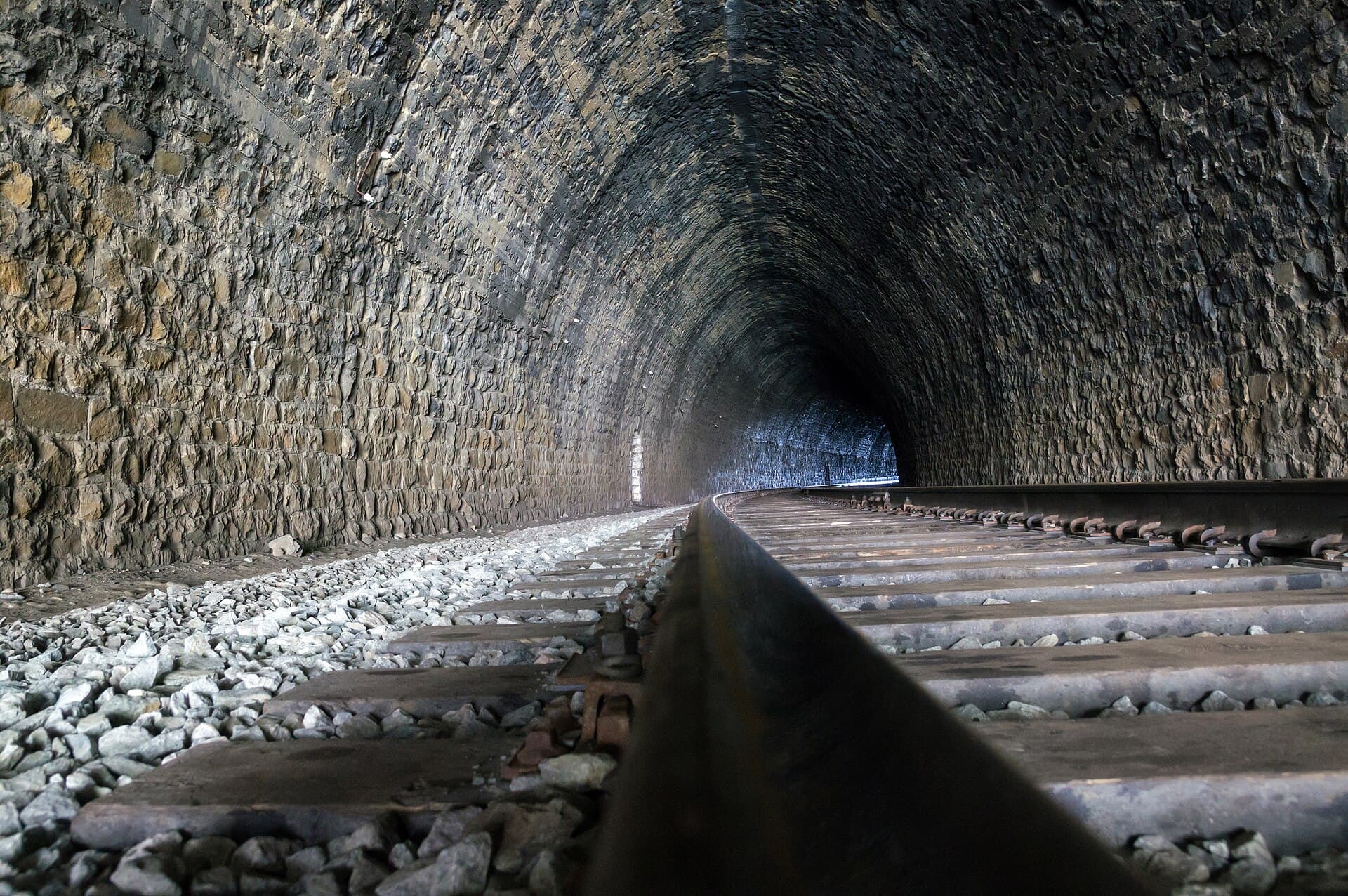
Longitudinal crack with seepage at the crown
Down bore · ring 812 · crown
- convergence
- 48 mm this pass
- previous
- 26 mm (2025)
- confidence
- 0.92
- adjacent works
- Piling at 40 m
Escalated to the tunnels engineer
Lining assessment is above the autonomy limit. The escalation went with three passes of convergence, the seepage record and the fact that third-party piling is active nearby, which is the thing that changes the interpretation.
Identifiers and values are illustrative.
From one bore to the network
It starts on a single bore with known convergence, because that is where a measured rate can be set against what your engineers already suspect.
Connect the asset register
Read-only from your tunnel asset and inspection system for one bore, so findings attach to rings that already exist in your record.
Capture the baseline
One full pass of the bore during engineering hours, with every ring measured and indexed. For most tunnels this is the first geometric record of the whole asset.
Run the cadence
Annually on the lining, twice yearly on water and drainage. From the second pass onward, everything is a comparison.
Widen across the network
Referencing, classes and escalation rules are agreed. The next bore is a scheduling exercise against the possession calendar.
Six things that land on your side
Artefacts, not access. Everything here exists in your systems and your formats whether or not anybody opens ours.
Measured model of the bore
A geometric model indexed by ring and chainage, with a stated accuracy.
LAS · OBJ
Convergence report
Ring distortion and rate against the previous passes, per chainage.
PDF · CSV
Lining defect survey
Cracking, spalling and bolt condition per ring with extent and the frame behind each finding.
PDF · CSV
Ingress map
Seepage and calcite located by ring, with change since the previous pass.
CSV · web
Systems as-installed record
Ventilation, lighting, emergency equipment and containment as they actually stand.
CSV · API
Inspection evidence pack
Passes, findings, escalations and completed work exported with provenance intact.
PDF · ZIP
Formats are the common case; the exact shape is agreed per deployment.
How often, and what for
The constraint here is not money and not standards. It is that the asset is only available for a few hours a night, so the whole question is how much of it can be measured before the first train.
- Lining and ringsTypical cadenceAnnually, detailed on cycleWhat the pass looks forCracking, spalling, bolt condition, ring distortion, convergence against previous passesReferenceInfrastructure manager standard
- Water and drainageTypical cadenceTwice a yearWhat the pass looks forSeepage by ring, calcite, invert drainage, sump and pump conditionReferenceSite standard
- Tunnel systemsTypical cadenceAnnually, testing to scheduleWhat the pass looks forVentilation, lighting, emergency equipment and comms as actually installedReferenceFire safety case
- Portals and shaftsTypical cadenceAnnually, plus after heavy rainWhat the pass looks forPortal structure, headwall, slope above, shaft condition and accessReferenceInfrastructure manager standard
These intervals are the starting points the standards describe, not a measured result of ours. Insurers, warranty terms and your own history will move them, and the point of planning from condition is that the interval stops being the thing that decides.
Four modules, one bore
A tunnel has real telemetry — ventilation, pumps, monitoring instruments — and almost none of it is joined to the structure it sits inside.
Detect
Captures the bore during engineering hours and measures each ring against the same ring on the previous pass.
Leaves behind
Convergence and defect growth by ring, ingress mapping, and a measured model of the bore
Analyse
Connects to tunnel systems, pump and ventilation control and any structural monitoring, and resolves each onto a chainage.
Leaves behind
Systems, pumping and instrument history readable per section of bore
Operations
Holds the asset register by chainage and ring, the inspection history, the safety case and the possession plan.
Leaves behind
The inspection record, the work order and the evidence behind a possession request
Decide & act
Ranks by rate of convergence and consequence, and escalates lining assessment rather than performing it.
Leaves behind
Escalations with the convergence history, and possession scope for everything else
- 01O-EYEDetectInspection & digital twin
- 02O-ARCAnalyseSensors, IoT & telemetry
- 03O-OPSOperationsThe system of record
- 04actsO-AGENTDecide & actThe agentic layer
Every action writes back to the record, so the model sharpens with every job.
Questions
How much of a tunnel can you capture in one engineering possession?
Far more than a walking team, and the exact figure depends on bore diameter, access and the equipment used. It is the honest headline of this page: the constraint is the possession, so the metric that matters is metres measured per hour, not resolution in a brochure.
Is this a drone, underground?
Sometimes, and often not. In a confined bore with no GNSS, a trolley or vehicle-mounted scanner usually beats an aircraft. We pick the platform that covers the most tunnel in the window, and we would rather say that than pretend one tool fits every asset.
Does this replace the detailed lining examination?
No. A tunnels engineer’s signed assessment stays exactly where it is. What changes is that they arrive with convergence measured across three passes instead of three written descriptions by three different examiners.
Can it measure clearance for a new fleet?
It produces a measured model of the bore, which is the input a clearance assessment needs. The assessment itself is an engineering calculation and stays with your engineers.