
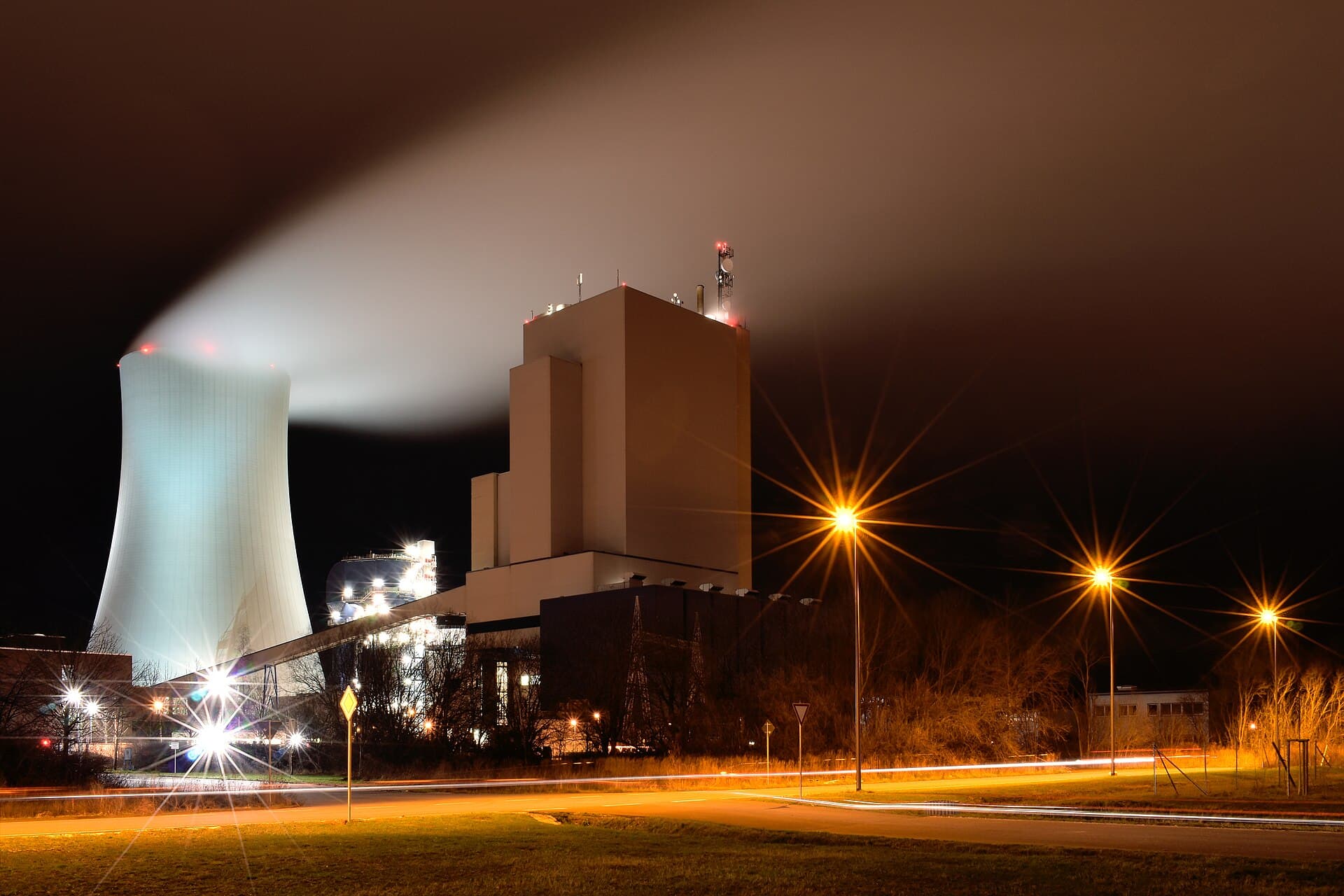
Thermal and gas power
Boiler, turbine and stack condition read against the units beside them, so a plant that now runs in starts and stops is maintained for how it actually operates.
The plant was built for baseload and now runs like a peaker
A thermal station designed to run flat for months is now dispatched around wind and solar, starting and stopping several times a week. Thermal cycling is what wears these machines — casing, headers, rotors, expansion joints — and almost none of the maintenance regime reflects that, because the intervals were written for running hours. Meanwhile the three identical units on the site have each done wildly different numbers of starts, and the record treats them as identical because they were commissioned in the same year.
Four failure modes, and what each one costs you late
Every one of these is made worse by cycling, and every one of them is currently governed by an interval written when the plant expected to run flat.
Pressure part and casing damage
- How it shows
- Casing hot spots, refractory loss, header and tube leaks, expansion joint failure
- What it costs late
- A forced outage on a unit that was going to be dispatched that week
- What catches it
- Thermal survey at load read against the identical units beside it
Turbine and generator wear
- How it shows
- Bearing temperature and vibration drifting, casing distortion, seal degradation
- What it costs late
- The longest and most expensive repair on the site
- What catches it
- Peer comparison plus start counts, so wear is read against duty rather than calendar
Stack, duct and flue condition
- How it shows
- Liner corrosion, external coating loss, structural cracking, platform decay
- What it costs late
- A stack repair needs the unit down and scaffolding nobody budgeted for
- What catches it
- Aerial capture of stacks and roofs, which is otherwise a rope access job
Cooling plant degradation
- How it shows
- Tower fill and structure decay, fan and gearbox condition, plume behaviour change
- What it costs late
- Output limited on the hottest days, when the price is highest
- What catches it
- Structure and thermal capture against previous passes and against ambient
Severity here is how we rank the class by default, not a judgement about your site. Every threshold is set per deployment, and a mode you consider routine can be dropped down the ranking on day one.
Six functions, on your station
Everything above is your problem. These six are ours: what the layer actually does to a station that no longer runs the way it was designed to.
Survey thermally at load
Passes planned around dispatch so the unit is generating when it is measured, because a thermal reading on a unit that is off says nothing at all.
Read units against each other
Three identical units on one station should look identical. Where one does not, the difference is the finding and the start count usually explains it.
Capture stacks and roofs
Stacks, ducts, boiler house roofs and cooling towers from the air, replacing a rope access job with a pass that does not need the unit down.
Scope the outage from condition
Work ranked into the next window by evidence and by consequence, which is where a year of station maintenance budget is actually decided.
Count duty, not calendar
Starts and thermal cycles held against each unit, so intervals can be argued from what the plant has accumulated rather than from the date.
Hold the inspection evidence
Findings, thermal frames, jobs and statutory inspections together, in the shape an examination expects.
A hot spot on the unit that has done twice the starts
Not the hottest reading on the station and not an alarm. It is on the unit the control room dispatches first, which has cycled twice as hard as its two identical neighbours.
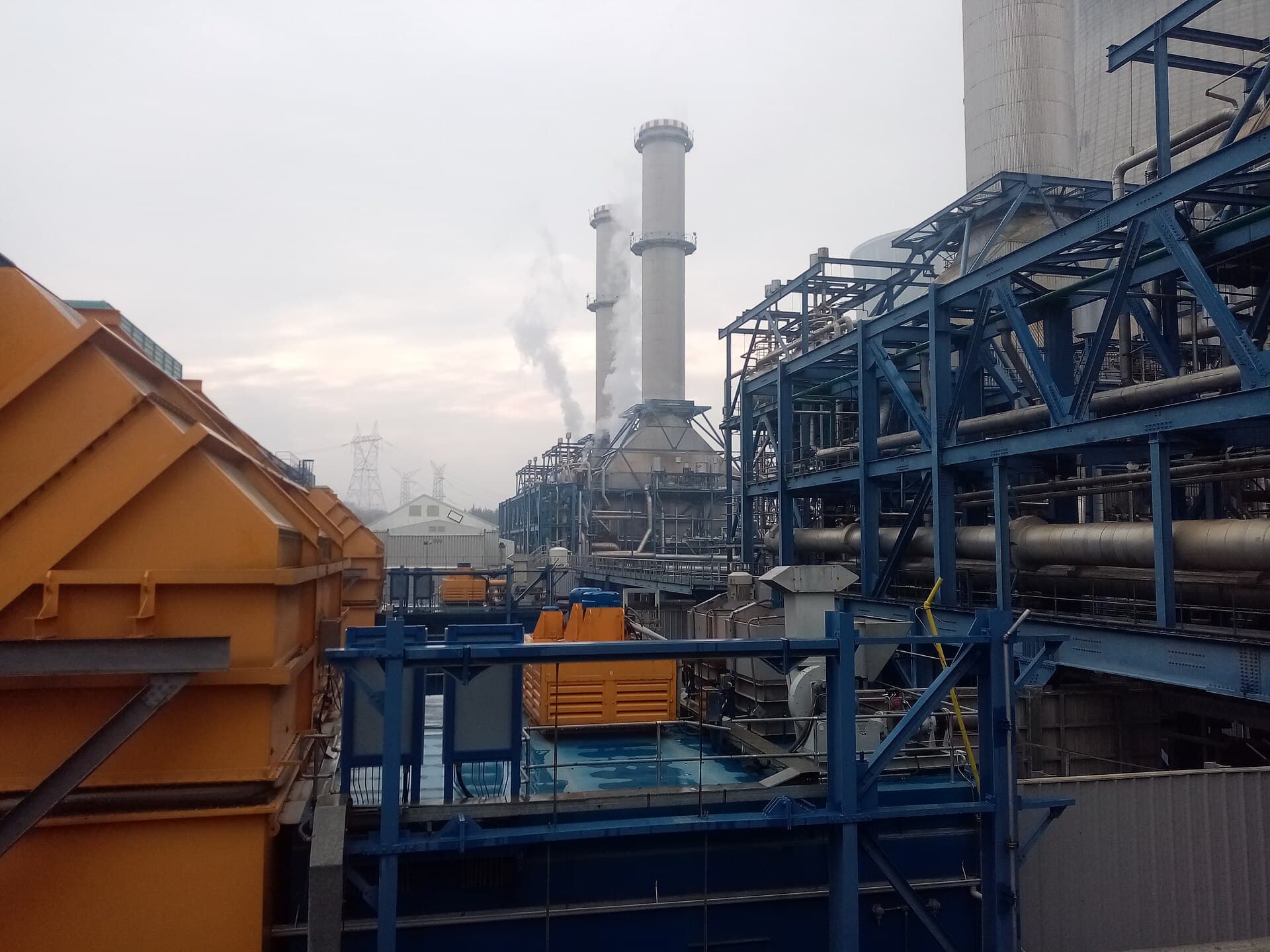
Casing hot spot on the boiler north wall
Station B · unit 2 · boiler
- delta T
- 31 K over peers
- confidence
- 0.88
- starts YTD
- 214 vs 96, 103
- next outage
- Q2
Ranked into the outage by cycling duty, not by date
Inside the autonomy limit because it changes the order of work in a window that is already planned. Pressure part work is escalated to the responsible engineer rather than scheduled.
Identifiers and values are illustrative.
From one unit to the station
It starts across the identical units rather than on one, because the whole argument is comparative and one unit has nothing to be compared against.
Connect the unit control system
Read-only from the historian for the units on one station, including start counts and running hours.
Survey the baseline
A thermal and visual pass at load across every unit, the stacks, the cooling plant and the roofs, with each unit bound to its peer group.
Run the cadence
Quarterly thermal at load, annually on stacks and cooling. The divergence between identical units is what feeds the outage.
Widen across the fleet
Peer groups, classes and escalation defaults are set. The second station is configuration.
Six things that land on your side
Artefacts, not access. Everything here exists in your systems and your formats whether or not anybody opens ours.
Unit thermal survey
Every unit with delta against its peers and the load and duty at capture.
PDF · CSV
Peer divergence report
Where identical units have stopped behaving identically, with start counts alongside.
CSV · dashboard
Stack and roof condition
Stacks, ducts, boiler house roofs and cooling towers with condition and the frame behind each finding.
PDF · GeoTIFF
Outage scope
Work ranked by accumulated duty and consequence, with evidence per line.
CSV · SAP · Maximo
Duty and cycling record
Starts, thermal cycles and running hours held per unit against condition findings.
CSV · dashboard
Inspection evidence pack
Findings, frames, jobs and statutory inspections exported with provenance intact.
PDF · ZIP
Formats are the common case; the exact shape is agreed per deployment.
How often, and what for
The useful shift here is not frequency but basis: from calendar and running hours to starts and thermal cycles, which is what the plant is now actually accumulating.
- Boiler and pressure partsTypical cadenceThermal quarterly, at loadWhat the pass looks forCasing hot spots, refractory loss, leak signature, expansion joint conditionReferenceEN 12952 · site standard
- Turbine and generatorTypical cadenceThermal quarterly, at loadWhat the pass looks forBearing and casing hotspots against peer units on the same dutyReferenceISO 14224
- Stacks and ductsTypical cadenceAnnuallyWhat the pass looks forExternal coating, structural cracking, platform and ladder condition, liner at the topReferenceSite standard
- Cooling plantTypical cadenceAnnually, thermal twice a yearWhat the pass looks forTower structure and fill, fan and gearbox condition, basin and distributionReferenceManufacturer
These intervals are the starting points the standards describe, not a measured result of ours. Insurers, warranty terms and your own history will move them, and the point of planning from condition is that the interval stops being the thing that decides.
Four modules, one station
A station with identical units is the ideal case for peer reading, and the one place where the maintenance record most often refuses to admit the units are no longer identical.
Detect
Surveys boilers, turbine halls, stacks and cooling plant thermally and visually, at load.
Leaves behind
Classified thermal and structural findings against the unit and the structure
Analyse
Connects to the unit control system and historian, and resolves tags, starts and running hours onto each unit.
Leaves behind
Duty, starts, thermal cycles and condition history readable per unit and per peer group
Operations
Holds the asset register, the maintenance and outage history, the spares and the statutory inspections.
Leaves behind
The work order, the outage scope and the inspection evidence
Decide & act
Ranks work by accumulated duty rather than by date, and escalates pressure part findings instead of scheduling them.
Leaves behind
Outage scope ordered by cycling duty, and escalations to the responsible engineer
- 01O-EYEDetectInspection & digital twin
- 02O-ARCAnalyseSensors, IoT & telemetry
- 03O-OPSOperationsThe system of record
- 04actsO-AGENTDecide & actThe agentic layer
Every action writes back to the record, so the model sharpens with every job.
Questions
Can you survey a running station?
Externally yes, and that is where the value is: stacks, roofs, cooling plant and transformer yards are all reachable from the air without touching the units. Inside the boiler house it is a thermal survey on foot on the same asset model, and inside a pressure part it is nobody’s drone.
What is different about cycling plant?
The damage mechanism. Running hours wear bearings and seals; starts crack headers and casings. If your intervals are in hours and your dispatch is in starts, the record is measuring the wrong thing, and the three identical units on your site have quietly stopped being identical.
Do you replace the statutory pressure inspection?
No. Statutory examination of pressure parts is a competent person’s signed judgement and stays exactly where it is. This feeds it evidence and flags where between examinations something has changed.
Our station is due to close. Is this worth it?
Possibly not, and we would rather say so. On a unit with a firm closure date inside a couple of years the honest answer is usually to run it to end of life. Where it does pay is deciding which of several units to close first, and evidencing the condition of what remains.