
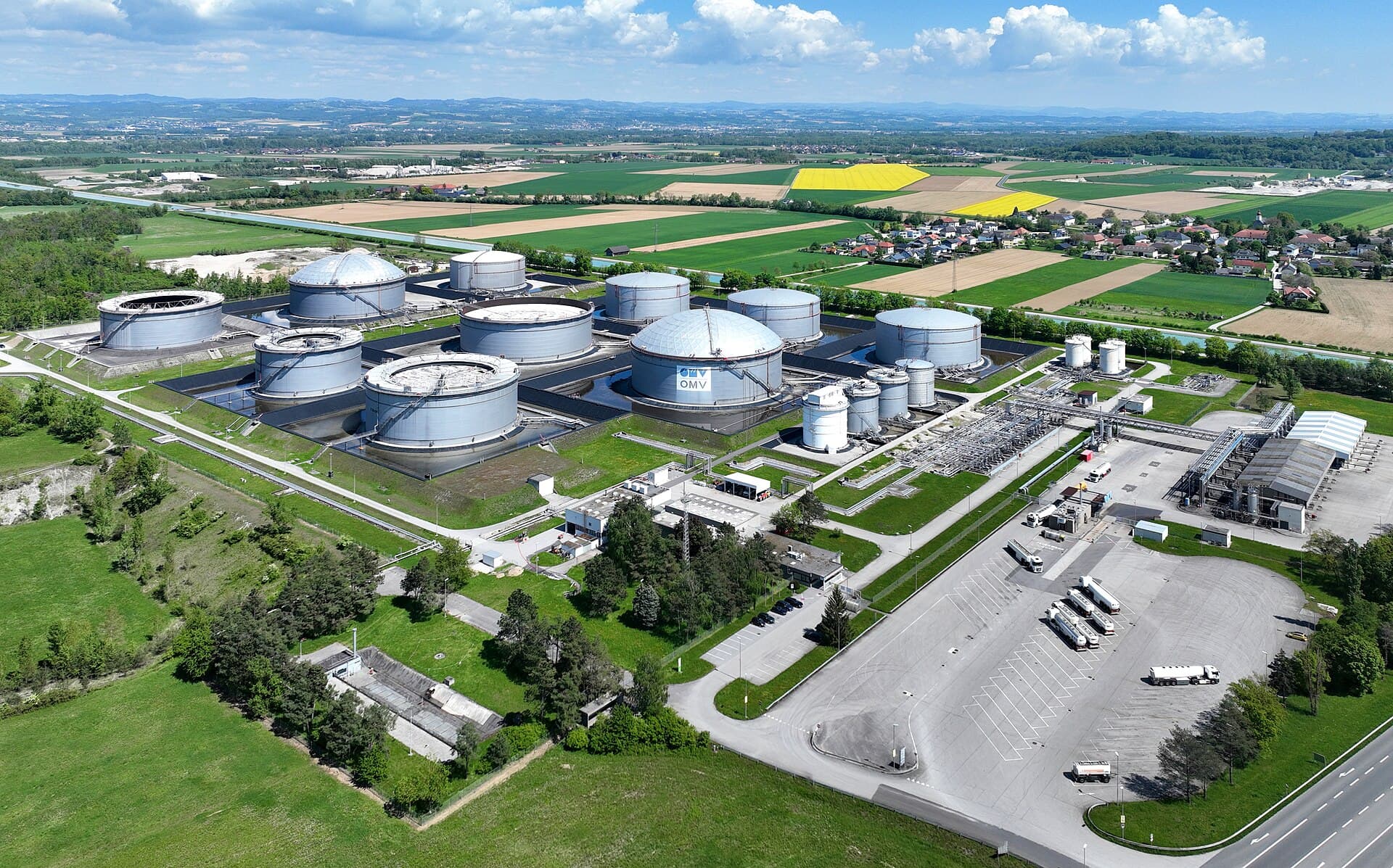
Oil and gas midstream
Corridor survey, methane and thermal detection, and tank and pipework integrity, held against the inspection record a regulator expects to see.
The asset is a line on a map and a folder in a filing system
Midstream is the sector where the consequence of being wrong is highest and the asset is hardest to look at. A corridor runs for hundreds of kilometres through land somebody else owns. A tank farm is inspected on a ten-year internal cycle and walked in between by whoever is available. The integrity data exists — wall thickness readings, cathodic protection surveys, inspection reports — and it exists as documents, which means the question "which of my tanks is deteriorating fastest" is answered by a person reading PDFs rather than by the record itself.
Four failure modes, and what each one costs you late
One of these is a safety event, one is a reportable emission, and two are the slow kind that turn into the first two if nobody is counting.
Fugitive emissions and leaks
- How it shows
- Methane above background at a flange, seal, valve or vent
- What it costs late
- A reportable release, product lost, and a number that now has to be explained publicly
- What catches it
- Optical gas and thermal survey flown across the site, with the source located to a component
Corrosion under insulation and shell wastage
- How it shows
- Coating breakdown, staining, wall thickness trending down between inspections
- What it costs late
- Loss of containment, and an internal inspection brought forward at outage cost
- What catches it
- Repeat aerial and thermal passes with wall thickness history held against the same course
Right of way encroachment
- How it shows
- Construction, excavation, vegetation or watercourse change over the corridor
- What it costs late
- Third party strike is the single largest cause of pipeline failure
- What catches it
- Corridor flown on a cadence and compared against the previous pass rather than against a map
Coating and cathodic protection decline
- How it shows
- Protection potentials drifting, coating defects accumulating along a section
- What it costs late
- Cheap now, an integrity dig later
- What catches it
- CP survey read per section with defect history, so a section is ranked rather than a reading
Severity here is how we rank the class by default, not a judgement about your site. Every threshold is set per deployment, and a mode you consider routine can be dropped down the ranking on day one.
Six functions, on your corridor
Everything above is your problem. These six are ours: what the layer actually does to a pipeline, a terminal and the tanks on it.
Fly the right of way on a cadence
The corridor captured pass over pass, so encroachment is detected as a change against last month rather than as a difference from a map drawn at commissioning.
Locate emissions to a component
Optical gas and thermal survey across the site, with the plume traced back to the flange, seal or vent it came from rather than to an area.
Hold wall thickness against the asset
UT readings bound to the course and the position they were taken at, so the trend belongs to a piece of steel and not to a spreadsheet row.
Version the tank exterior
Shell, roof, seals and bund captured annually and compared, so coating breakdown is a rate of change and settlement is measurable.
Escalate rather than schedule
Anything touching containment goes to a named engineer with the frame, the trend and the inspection history attached. No agent closes that loop.
Build the inspection evidence
Every pass, finding and job exported in the shape an integrity audit expects, with timestamps and provenance intact.
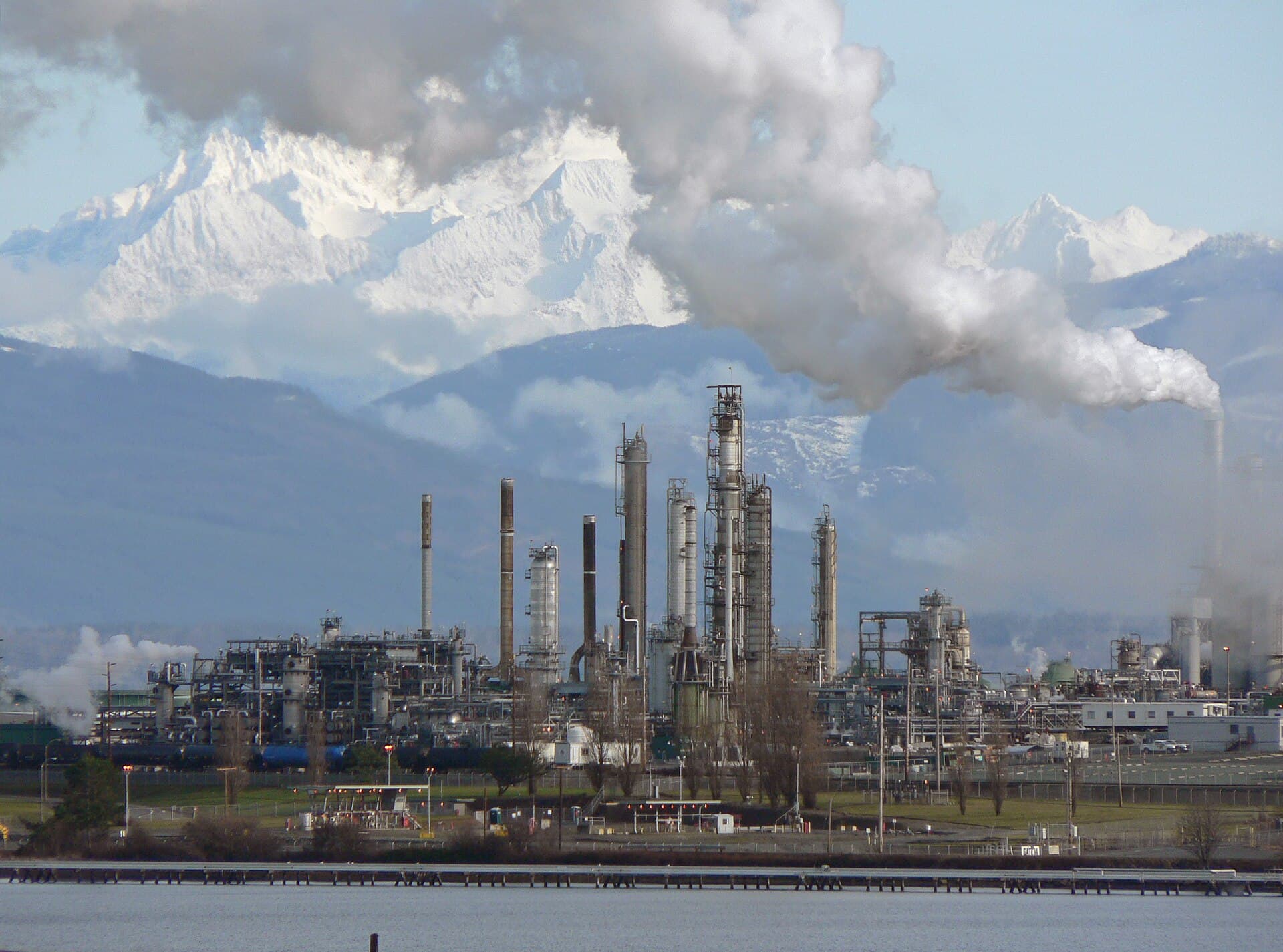
Shell corrosion on a tank that cycles harder than its neighbours
Nothing here is above a threshold. The tank is in service, inside its inspection cycle, and the next internal is four years away. The argument is that the rate has changed.
Coating breakdown and shell corrosion, course 2
Terminal 2 · TK-07 · north face
- extent
- 2.4 m² of course 2
- confidence
- 0.88
- last internal
- 2019
- standard
- API 653
Escalated to the integrity engineer
Anything touching containment is above the autonomy limit by default. The finding went with the frame, the fill cycle count and the 2022 wall thickness readings for the same course.
Identifiers and values are illustrative.
From one terminal to the network
It starts at a terminal rather than on the corridor, because a terminal is a bounded site where the join between imagery, telemetry and the integrity record can be proved in weeks.
Connect SCADA and the integrity record
Read-only from the control system and the inspection database on one terminal. Nothing is written back until you ask for it.
Fly the baseline
One full pass over the terminal and the tank farm. Every tank, vessel and pipe run becomes an asset with a photograph, a date and its inspection history attached.
Run the cadence
Annual exterior, quarterly thermal, gas survey on the agreed interval, and the corridor patrolled. The comparison against the previous pass is the product.
Widen along the network
Classes, naming and autonomy limits are already agreed. Adding the next terminal or the next corridor section is configuration.
Six things that land on your side
Artefacts, not access. Everything here exists in your systems and your formats whether or not anybody opens ours.
Corridor survey
The right of way captured and compared against the previous pass, with encroachment located.
GeoTIFF · shapefile
Gas and thermal report
Detections located to a component, with the frame and the ambient conditions at capture.
PDF · CSV
Ranked integrity list
Assets ordered by rate of change and consequence, not by the date their last inspection happened to fall.
CSV · O-OPS
Tank exterior record
Shell, roof, seals and bund per tank, versioned pass over pass against the inspection cycle.
PDF · web
Wall thickness trend
UT history bound to the course and position, so the trend is per piece of steel.
CSV · dashboard
Integrity evidence pack
Passes, findings, escalations and sign-offs exported together with provenance intact.
PDF · ZIP
Formats are the common case; the exact shape is agreed per deployment.
How often, and what for
Statutory intervals set the floor and nothing here proposes moving them. What changes is what happens in the years between, which for most of these assets is currently very little.
- Pipeline corridorTypical cadenceFortnightly to quarterly patrolWhat the pass looks forEncroachment, excavation, exposure, ground movement, vegetation, surface signsReferenceAPI 1160
- Storage tanksTypical cadenceExternal annually, internal on cycleWhat the pass looks forShell and roof coating, corrosion, seals, bund integrity, settlementReferenceAPI 653 · EEMUA 159
- Compressor and pump stationsTypical cadenceThermal quarterlyWhat the pass looks forRotating plant, flanges, valves and vents, electrical hotspots, gas detectionReferenceAPI 570
- Flare and vent systemsTypical cadenceQuarterly, plus on exceptionWhat the pass looks forTip condition, structural steel, pilot performance, thermal signatureReferenceAPI 537
These intervals are the starting points the standards describe, not a measured result of ours. Insurers, warranty terms and your own history will move them, and the point of planning from condition is that the interval stops being the thing that decides.
Four modules, one corridor
The integrity data already exists. What does not exist is a record that can answer a comparative question about it without a person opening documents.
Detect
Flies the corridor, the terminal and the tank farm, and classifies coating, corrosion, encroachment and thermal signature against the numbered asset.
Leaves behind
Located findings on tanks, pipework, stations and right of way
Analyse
Connects to SCADA, gas detection and cathodic protection, and resolves every tag and test point onto a component.
Leaves behind
Pressure, flow, protection potential and detection history readable per asset
Operations
Holds the asset register, the inspection cycle, the wall thickness history and the integrity documents.
Leaves behind
The integrity record, the work order and the evidence pack
Decide & act
Reads the three together and escalates anything touching containment rather than scheduling it.
Leaves behind
Escalations with the frame, the trend and the inspection history attached
- 01O-EYEDetectInspection & digital twin
- 02O-ARCAnalyseSensors, IoT & telemetry
- 03O-OPSOperationsThe system of record
- 04actsO-AGENTDecide & actThe agentic layer
Every action writes back to the record, so the model sharpens with every job.
Questions
Can you fly a live hydrocarbon site?
It depends on the site and the jurisdiction, and it is a permit conversation before it is a technical one. Classified areas, exclusion zones and intrinsic safety requirements all constrain where an aircraft can go. We plan around them rather than asking you to relax them, and on some sites that means the survey covers the perimeter and the tank tops and not the process area.
Do you detect methane, or infer it?
Detect, with an optical gas imaging or laser sensor carried on the aircraft. What we do not do is quantify a leak rate to a standard a regulator will accept from an aerial pass alone — that is a ground measurement, and the aerial pass exists to tell you where to send it.
We already run an integrity management system. Where does this sit?
Underneath it, feeding it. Your IMS holds the assessment and the decision. O-OPS reads from it and writes findings and completed work back through its API, so the aerial and thermal record lands in the system you already run rather than beside it.
Would an agent ever act on a containment finding by itself?
No. Anything touching containment sits above the autonomy limit by default and is escalated to a named engineer, with everything it read attached. That default is set in configuration and we would argue against changing it.