
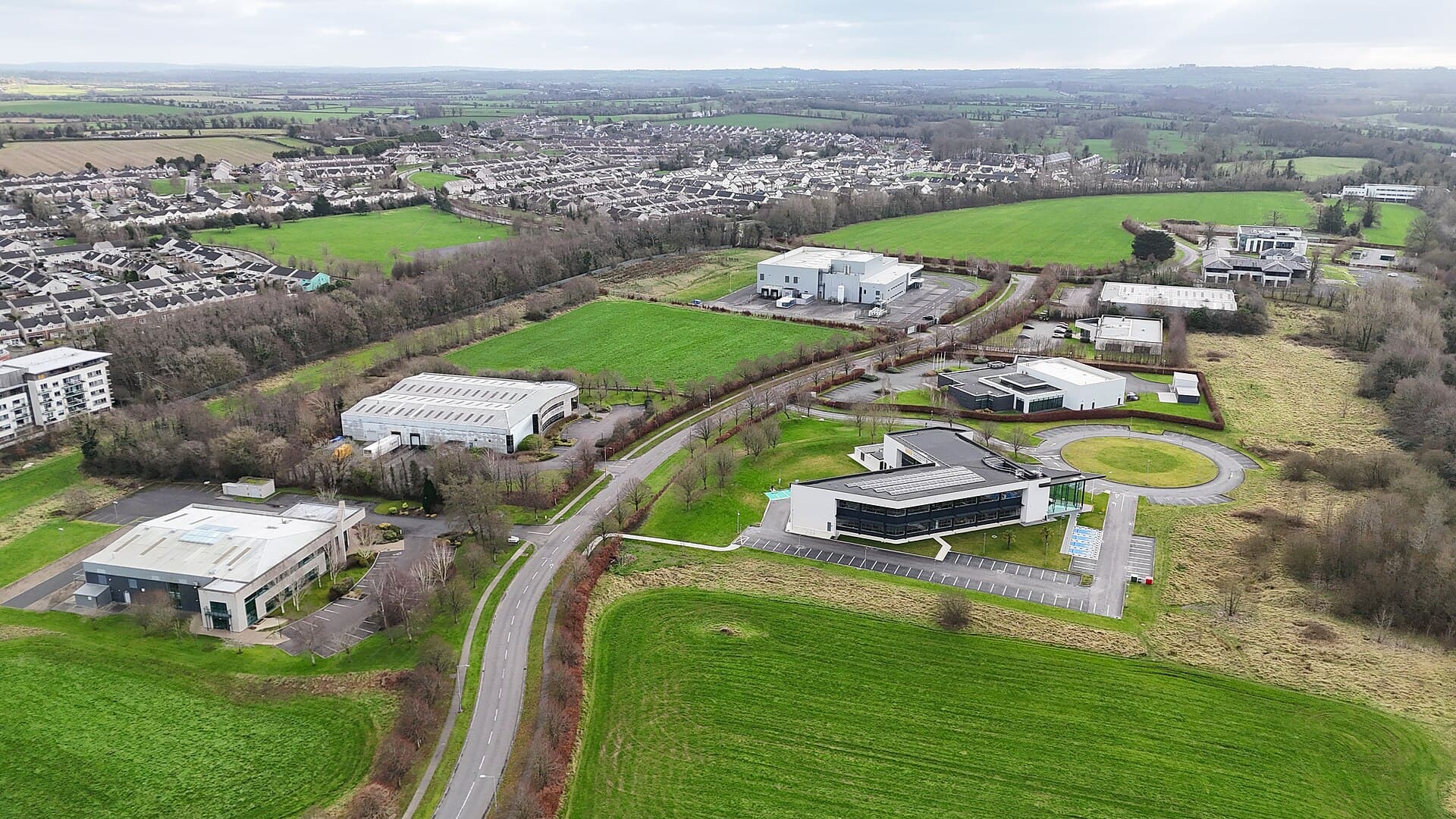
Facilities and real estate
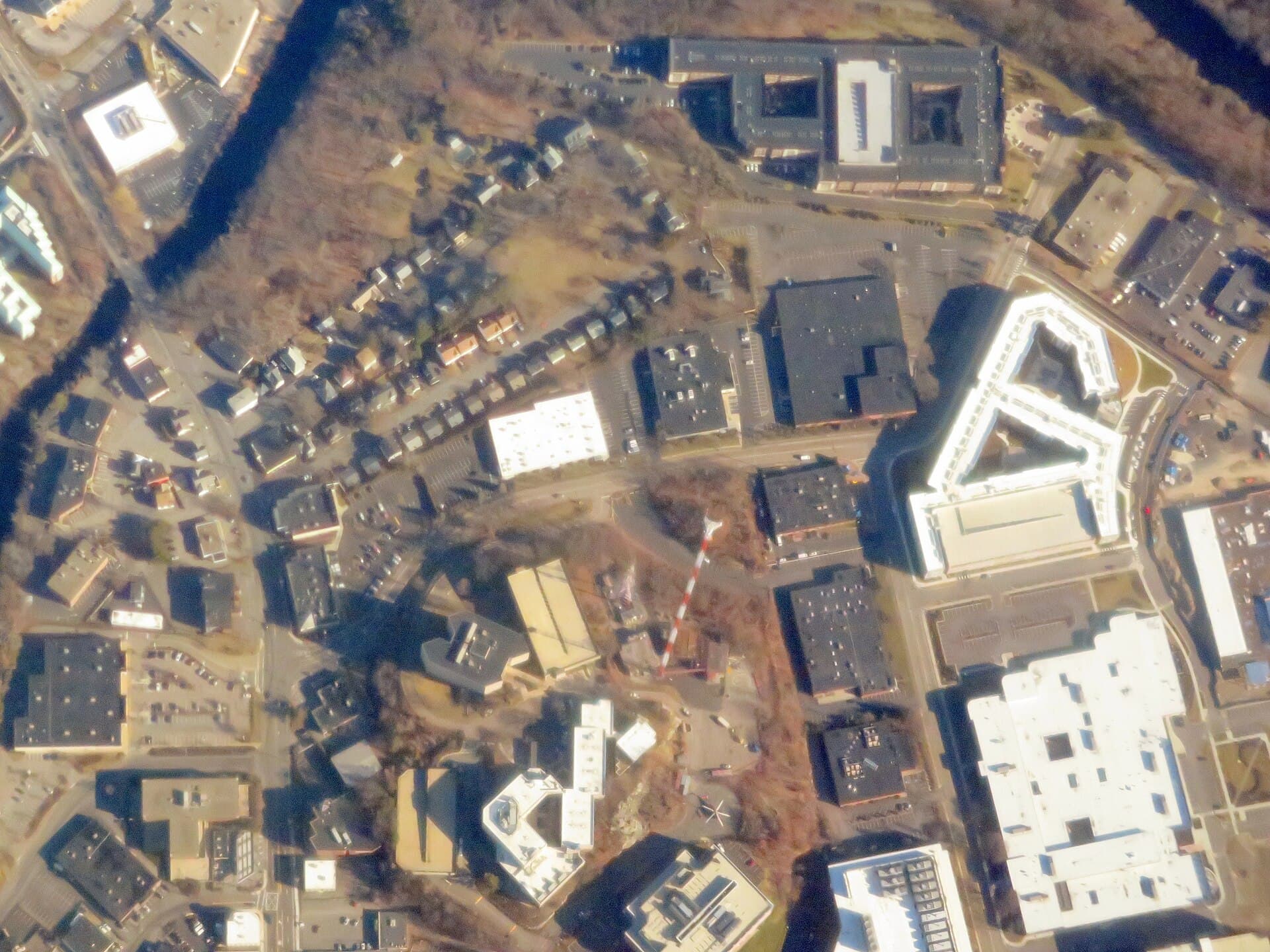
Roof and fabric condition across a whole portfolio in one cycle, with a plant register and a planned maintenance list that came from what is actually there.
The condition survey was true on the day it was written
A property portfolio is managed from a document that is commissioned every five years, costs a great deal, and is out of date within months. Between surveys the estate is run reactively: a roof is discovered when it leaks onto a tenant, plant is discovered when it fails, and the asset register is a spreadsheet that describes the building somebody bought rather than the building they now own. Nobody walks thirty roofs a quarter, which means the single most expensive element of the fabric is the one nobody looks at until water is already inside.
Four failure modes, and what each one costs you late
Only one of these is dramatic. The other three are the reason the dramatic one keeps happening, and all four are invisible from ground level.
Roof and drainage failure
- How it shows
- Ponding, membrane splits, failed flashings, blocked or undersized outlets
- What it costs late
- Water reaches a tenant, and the repair is now a dilapidations conversation
- What catches it
- Aerial capture of every roof on the estate in one cycle, compared against the last pass
Rooftop and external plant decline
- How it shows
- Corroding units, failed fixings, coil fouling, thermal signature drifting
- What it costs late
- Replacement at emergency rates for something a survey would have priced
- What catches it
- Thermal and visual capture of plant decks that nobody safely walks
Asset register drift
- How it shows
- The register describes the building at acquisition, not the one you own now
- What it costs late
- Every project starts with a survey that should not have been necessary
- What catches it
- A register updated by capture, so the record ages with the building rather than against it
Envelope and fabric deterioration
- How it shows
- Cladding, sealant, parapet and rainwater goods degrading slowly and uniformly
- What it costs late
- Deferred until it is a capital item rather than a maintenance one
- What catches it
- Condition versioned pass over pass, so deterioration is a rate you can budget against
Severity here is how we rank the class by default, not a judgement about your site. Every threshold is set per deployment, and a mode you consider routine can be dropped down the ranking on day one.
Six functions, on your estate
Everything above is your problem. These six are ours: what the layer actually does to a portfolio of buildings.
Capture every roof in one cycle
Thirty roofs in a week rather than thirty roof access permits over a year, including the bays that need a cherry picker and two people to reach.
Classify condition, not just photograph it
Ponding, membrane splits, failed flashings and blocked outlets come back as classified findings against a roof bay, with a confidence and the frame behind them.
Rebuild the register from what is there
The plant on the deck, the units on the roof and the elevations as they actually are, rather than as the acquisition pack described them.
Rank by cost of delay
A blocked outlet over a let unit outranks corroded handrail on a plant deck. Ranking by what it costs if it waits puts the list in the order a budget holder needs.
Turn findings into planned work
Priced lines on a planned maintenance schedule with evidence attached, which is the artefact that gets funded, rather than a list of defects that gets deferred.
Track certificates against the asset
Compliance evidence held against the thing it certifies, so a gap is visible before the renewal falls due rather than at audit.
A roof bay that has been wet on three consecutive passes
This is deliberately unglamorous. Nothing has failed, no alarm exists, and the whole argument is that the same bay holding water three times is a defect rather than three separate rainy days.
Ponding over 18 m², outlet blocked
Northern estate · Unit C · bay 3
- area
- 18 m²
- confidence
- 0.93
- passes wet
- 3 of 3
- membrane age
- 17 years
Added to the planned list with a price and the frames
Inside the autonomy limit because it is a drainage clearance on an out-of-warranty roof. What it changes is that it is planned work at a known cost rather than an emergency call-out with a tenant claim behind it.
Identifiers and values are illustrative.
From one site to the portfolio
This sector widens faster than any other, because a second building is genuinely the same problem as the first and the naming carries straight over.
Connect the register
Read-only from your CAFM or asset spreadsheet for a handful of sites, so findings have somewhere to attach on day one.
Fly the baseline
Every roof, plant deck and elevation on the selected sites. For most portfolios this is the first complete, dated condition record of the fabric that has ever existed.
Run the cadence
Twice yearly on roofs, annually on fabric and plant. The second pass is where it starts paying, because it is the first one that can say what has moved.
Widen across the portfolio
Classes, ranking and the register structure are set. Site thirty-five is a configuration change, not a project.
Six things that land on your side
Artefacts, not access. Everything here exists in your systems and your formats whether or not anybody opens ours.
Roof condition survey
Every roof bay on the estate with condition, area, date and the frame it was assessed from.
PDF · GeoTIFF
Thermal report on plant
Rooftop and external plant with delta T and the condition of fixings and access.
PDF · CSV
Ranked planned maintenance list
Priced lines ordered by cost of delay, with the evidence behind each one attached.
CSV · CAFM
Plant and asset register
What is actually on the roof and the deck, rebuilt from capture rather than from the acquisition pack.
CSV · O-OPS
Change over time
Pass against pass per roof bay, so deterioration is a rate you can put in a budget.
Web · PDF
Compliance evidence pack
Certificates, inspections and completed work exported against the assets they belong to.
PDF · ZIP
Formats are the common case; the exact shape is agreed per deployment.
How often, and what for
The economics here are different from the other sectors. Nothing on an estate fails catastrophically; the cost is that everything is discovered late, so the point of the cadence is a budget you can defend rather than an outage you avoid.
- Roofs and drainageTypical cadenceTwice a year, plus after severe weatherWhat the pass looks forPonding, membrane and flashing condition, outlets, upstands, debrisReferenceISO 55001
- Rooftop and external plantTypical cadenceThermal annuallyWhat the pass looks forUnit condition, fixings, coil fouling, electrical hotspots, access safetyReferenceManufacturer
- Envelope and fabricTypical cadenceAnnuallyWhat the pass looks forCladding, sealant, parapets, rainwater goods, external decorationReferenceRICS condition ratings
- Statutory and complianceTypical cadenceBy instrumentWhat the pass looks forCertificates in date, evidence attached, gaps visible before the renewal falls dueReferenceLocal regulation
These intervals are the starting points the standards describe, not a measured result of ours. Insurers, warranty terms and your own history will move them, and the point of planning from condition is that the interval stops being the thing that decides.
Three modules, one estate
There is no process telemetry on a roof, so this is the one sector where O-ARC has nothing to corroborate against. Three modules do the work, and saying so is more useful than drawing a fourth box.
Detect
Flies every roof, plant deck and elevation on the estate in one cycle, and classifies condition against the building.
Leaves behind
Condition findings per roof bay, unit and elevation, with the frame behind each one
Operations
Holds the asset and plant register, the maintenance history, the warranties, the leases and the certificates.
Leaves behind
The register, the planned maintenance list and the compliance evidence
Decide & act
Ranks by consequence and cost of delay, and turns findings into priced planned work rather than reactive call-outs.
Leaves behind
A ranked, priced planned maintenance list with the evidence attached to every line
- 01O-EYEDetectInspection & digital twin
- 02O-ARCAnalyseSensors, IoT & telemetry
- 03O-OPSOperationsThe system of record
- 04actsO-AGENTDecide & actThe agentic layer
Every action writes back to the record, so the model sharpens with every job.
Questions
Can you fly over occupied buildings and public areas?
Not freely, and this is the real constraint on this sector rather than a technical one. Flight over people requires the right permission and often a cordon. In practice an estate is flown outside occupied hours, from a plan that keeps the aircraft over the roof and off the public realm, and some city-centre buildings will not be flyable at all.
Does this replace our five-year condition survey?
No, and we would not claim it does. A surveyor forms a professional opinion and signs it, which matters for valuation and dilapidations. What this changes is the four years in between, when the survey is ageing and nothing is looking.
We use a CAFM system already. Does it have to move?
No. Where a CAFM or IWMS system is your system of record, O-OPS reads from it and writes findings and completed work back through its API. The register still needs to exist somewhere; it does not need to move.
What about the interior?
Out of scope for aerial capture, and we will say so rather than implying otherwise. The interior is handled by handheld capture on the same asset model, which is on the roadmap and not in service. What is in service is the exterior, the roofs and the plant decks.