The agentic layer for critical infrastructure
Orbitify unifies inspection, sensor and field data into one live model of your assets, then puts agents to work on it, inside thresholds your team sets.
Backed and supported by



Orbitify gives your agents the whole picture, not one feed
Inspection, telemetry and records usually live in different systems, owned by different teams, read by different people. An agent that can only see one of them is guessing. Orbitify puts all three into one model, then lets agents act on it inside limits you set.
Every project ends up on its own stack.
A solar farm here, a wind site there, each with its own folders, its own naming and its own tools. Design sits in one platform, construction in another, commissioning in a third, operations in a fourth, and nothing survives the handovers intact. The only thing that spans the whole portfolio is a spreadsheet somebody keeps by hand.
So the portfolio question, which sites are at risk this month, takes a week of collation to answer, and is out of date by the time it lands.
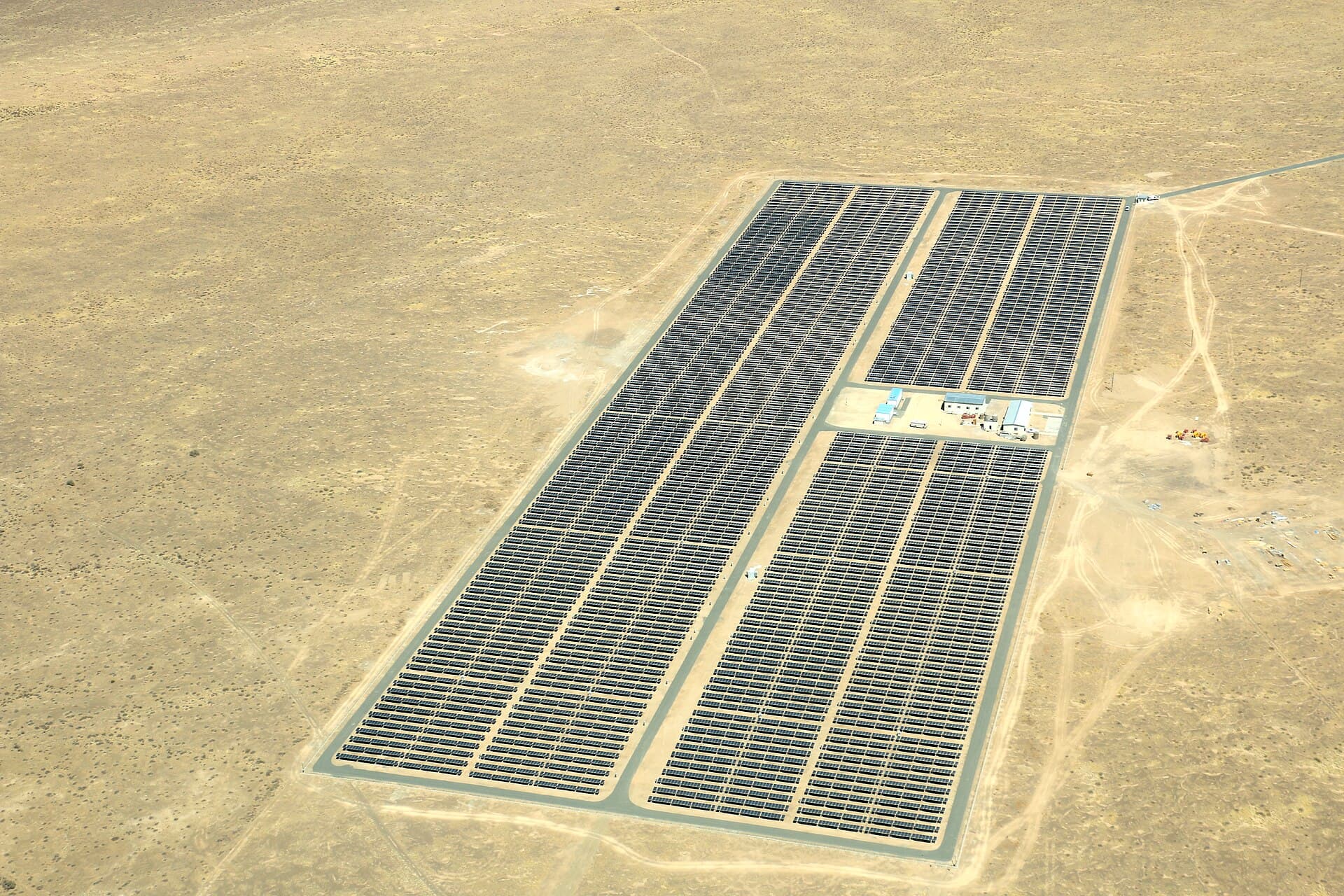
Binh Thuan 02 · Ninh Thuan · Site B · SPV 3
01 / 03
- Three sites, three stacks
Binh Thuan 02 · Ninh Thuan · Site B · SPV 3
Project by project
A stack per site
Each solar farm, each wind site, each SPV accumulates its own folders, conventions and tools. What you learned running the last one does not carry to the next.
- Four systems, one site
Design · Construction · Commissioning · Operations
Phase by phase
A platform per phase
Design in one system, construction in another, commissioning in a third, operations in a fourth. Every handover drops something, and the record starts again from whatever was exported.
 The only span
portfolio_tracker.xlsx
And the glue
Spreadsheets in the middle
The thing that actually spans solar, wind and everything else is a workbook one person keeps current. It is already stale by the time a crew closes a job in the field.
One layer that runs the whole operation.
O-EYE, O-ARC and O-OPS build and hold the picture. O-AGENT sits across all three and is the only part that decides and does, so a single layer runs capture, telemetry, records and the work that comes out of them. Every action writes back, and the picture sharpens with every job.
How it works
- O-EYEDetect
- O-ARCAnalyse
- O-OPSOperations
- O-AGENTDecide & act
Every action writes back to the record. The model gets sharper, and so do the agents.
- 01O-EYE
Detect
Drone capture across solar arrays, wind turbines and whole sites becomes orthomosaics, 3D twins and classified defects: a versioned visual record of every asset, so you can compare this quarter against last.
- Drone inspection of solar arrays, wind turbines and whole-site maps
- Orthomosaics, point clouds and 3D twins built from every pass
- Thermal and RGB defects classified and ranked by severity
- Every pass versioned, so this quarter compares against last
- Ground robot and 360 walkthrough capture are on the roadmap
- 02O-ARC
Analyse
SCADA, OPC-UA, Modbus and MQTT telemetry streams into the same model, so a thermal anomaly can be corroborated against what the inverter was actually doing at the time.
- 03O-OPS
Operations
The system of record. Asset hierarchy, work history, parts, as-builts, certificates and compliance state: the context an agent needs before it is allowed to decide anything.
- 04O-AGENTacts
Decide & act
The only part that acts. Agents read the whole model rather than one feed, then plan the next flight, triage findings by real severity, predict what fails next, raise the work order and dispatch it, stopping at the thresholds you set.
Every action writes back to the record. The model gets sharper, and so do the agents.
Reads what you already run. Nothing has to be migrated first.
What comes in
Capture
- Drone RGB
- Drone thermal
- Ground robotPlanned
- 360 capturePlanned
Control systems
- SCADAPlanned
- OPC-UAPlanned
- ModbusPlanned
- MQTTPlanned
- IEC 61850Planned
- DNP3Planned
- BACnetPlanned
Existing platforms
- REST and webhook
- EAM and CMMSPlanned
- ERP work managementPlanned
- Document controlPlanned
- GISPlanned
- BI and reportingPlanned
- HistoriansPlanned
The layer

One asset model
Imagery, telemetry and paperwork land against the same assets, versioned over time, so an agent reads one thing instead of five.
- Asset register and hierarchy
- Work history
- As-builts and drawings
- Certificates and compliance
- Time-series history
What comes out
- Prioritised list of what to fix
- Work orders
- Audit trail
- Exports and reports
Orbitify runs beside the systems you already own, so nothing has to be lifted out first. Connecting to those systems at the edge — buffering locally on intermittent links and reconciling on reconnect — is in progress, not yet available.
Agents you can actually let near a substation.
Autonomy is set per action, not per product. Every agent runs inside explicit thresholds, escalates what it is not confident about, and writes an auditable trace of what it saw, what it decided and why.
Standards and compliance
How your data is handled
- GDPRIn progressEU personal data protection
- Vietnam PDPLIn progressLaw 91/2025/QH15 and Decree 356/2025/ND-CP, in force since January 2026
- Vietnam Cybersecurity LawIn progressLaw 116/2025/QH15 and its implementing decrees, in force since July 2026
- Vietnam Data LawIn progressLaw 60/2024/QH15 on data, including core and important data
- Vietnam AI LawIn progressLaw 134/2025/QH15 on artificial intelligence, in force since March 2026
- ISO/IEC 27001In progressInformation security management
- ISO/IEC 27701In progressPrivacy information management
- ISO/IEC 42001In progressArtificial intelligence management systems
- SOC 2 Type IIIn progressService organisation controls, audited
- CSA STARIn progressCloud Security Alliance security, trust and assurance registry
How the work is done and reported
- IEC TS 62446-3In progressOutdoor infrared thermography of PV modules and plants
- IEC 61400In progressWind turbine design, operation and availability
- IEC 62443In progressSecurity for industrial automation and control systems
- NERC CIPIn progressCritical infrastructure protection for the bulk electric system
- ISO 55001In progressAsset management systems
- ISO 19650In progressInformation management across the built asset lifecycle
Every standard here is in progress: we are working towards each of them, and none has yet been audited or certified. Field standards shape how findings are captured, classified and reported, so an inspection report is one a regulator or an insurer recognises. When a certificate or an audit report is issued, the status here will say so.
One layer, every kind of site.
Solar and wind are where inspection economics bite hardest, so that is often where teams start. The same layer runs on substations, construction, data centres and terminals.
String B-07-14 · Dispatched
01 / 06
- Bypass diode failureWO-2214
String B-07-14 · Dispatched
Utility-scale PV and CSP
Solar
Thermal and RGB inspection across millions of modules, tied to inverter and string-level telemetry, so a hotspot is triaged against what it actually costs in yield.
- Lightning receptor damageWO-0871
WTG-12 · Blade 2 tip · Dispatched
Onshore and offshore turbines
Wind
Blade, tower and nacelle inspection where access is expensive and weather windows are short, with agents planning campaigns around both.
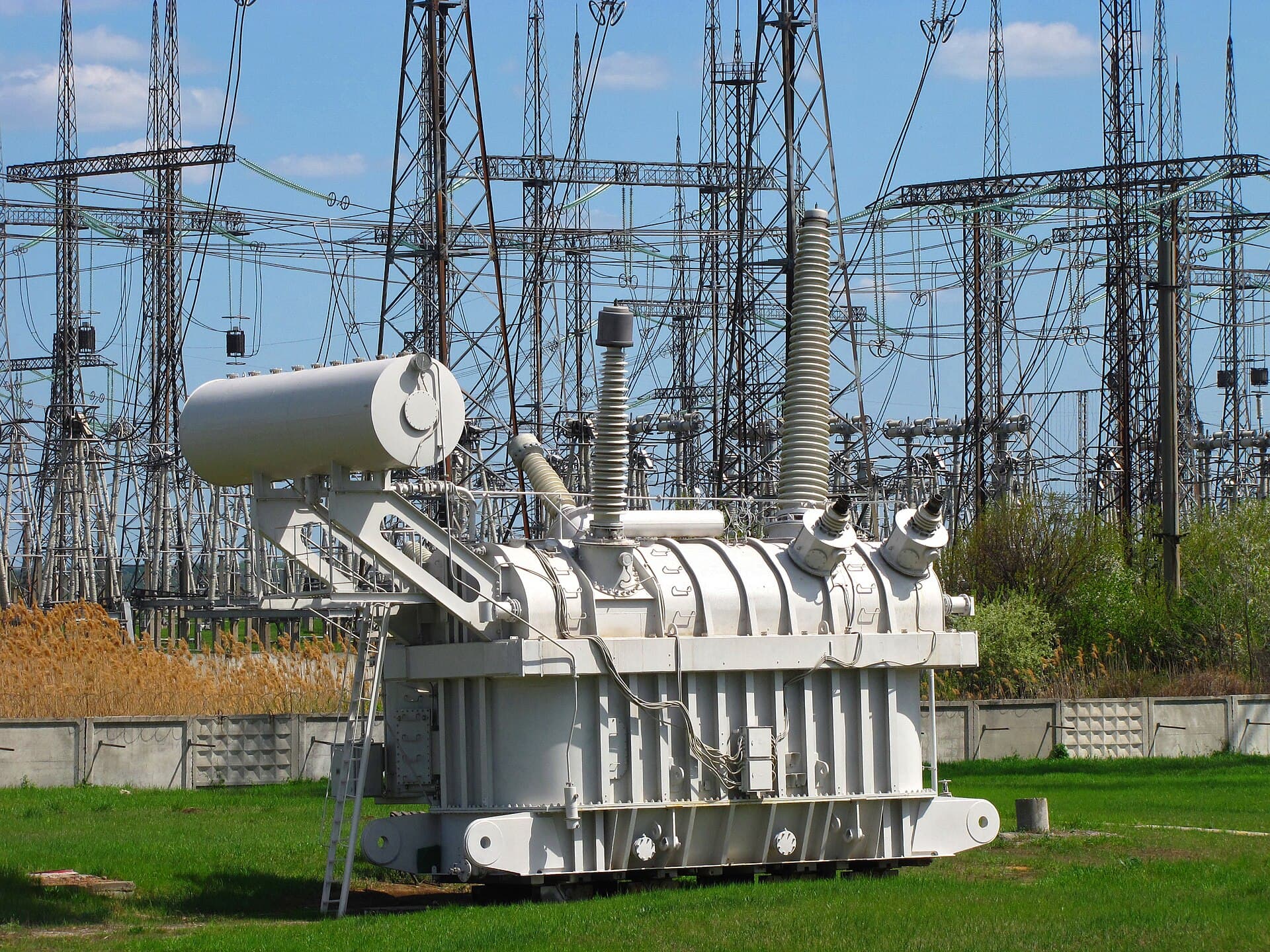 Thermal hotspot at a connectorWO-1140
Bay 3 · Disconnector B · Held
Transmission, distribution and substations
Power & grid
Corrosion, insulator condition, thermal faults and vegetation encroachment across long linear assets and dense substation yards.
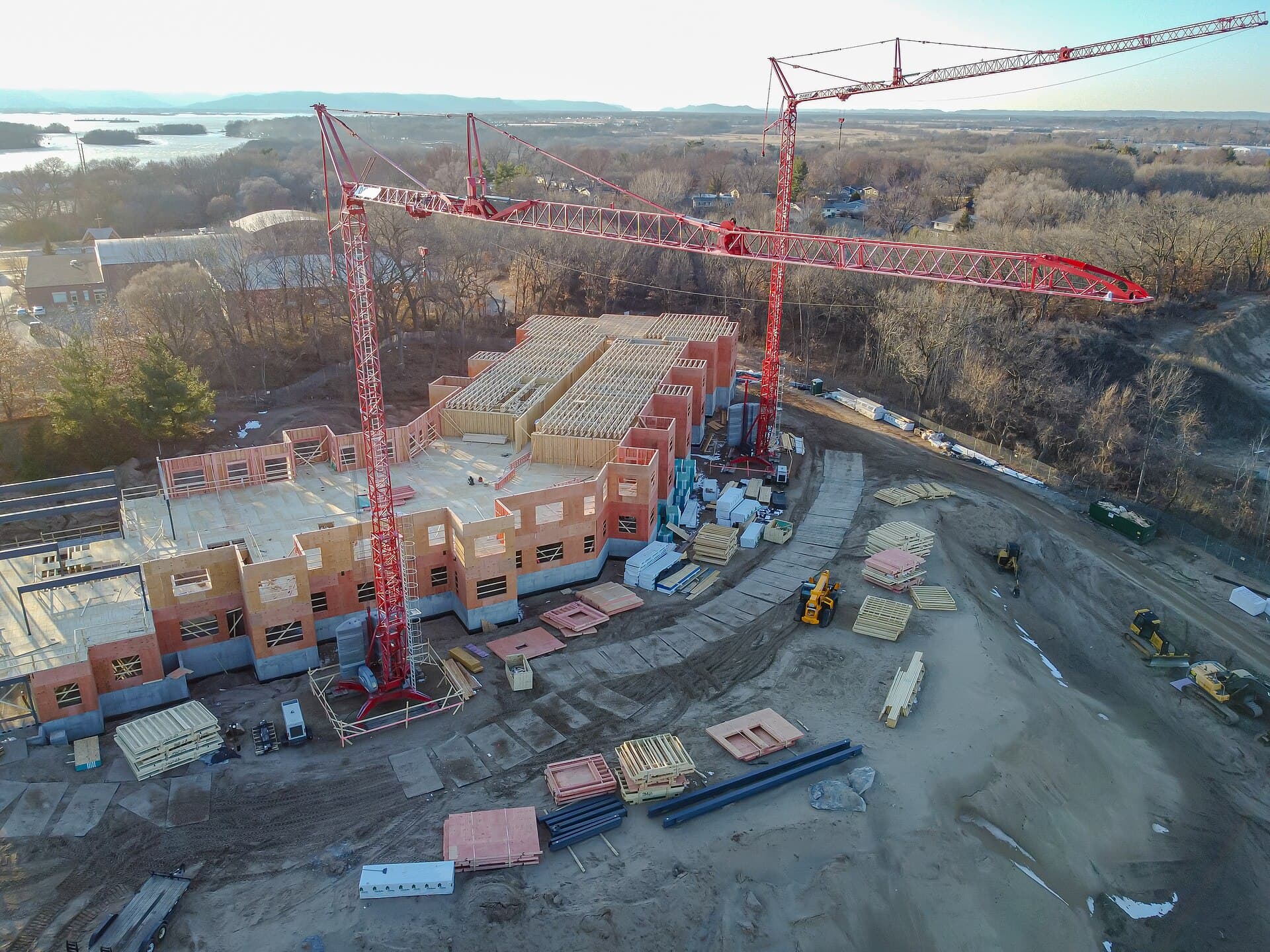 Progress behind programmeWO-0442
Zone C · Level 4 · Dispatched
Heavy civil and vertical build
Construction
Progress against programme, earthworks quantities, installation quality and safety observations, captured routinely rather than argued about monthly.
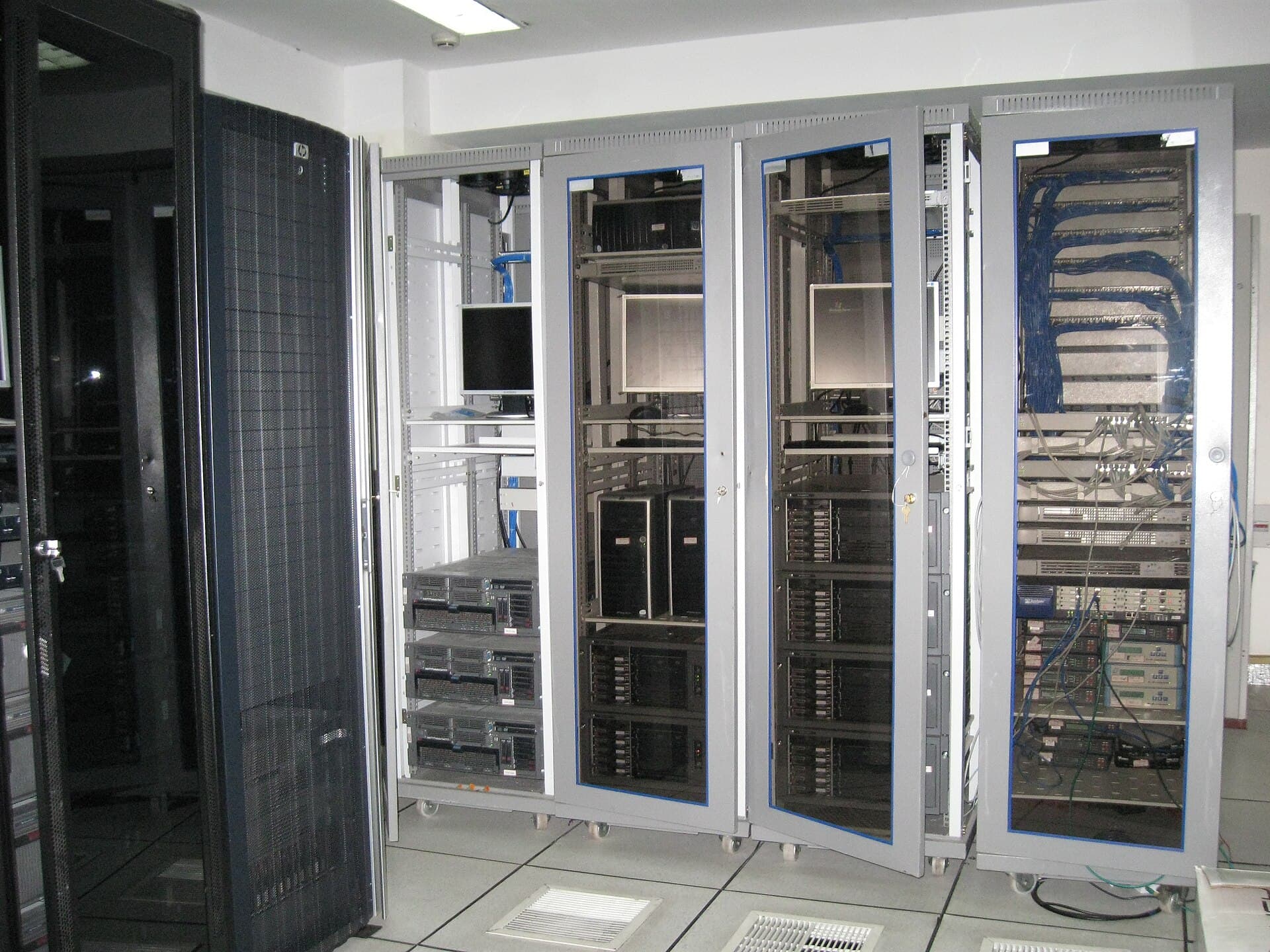 Temperature above setpointWO-3307
Hall 2 · Cold aisle 4 · Dispatched
Hyperscale and edge facilities
Data centres
Commissioning evidence, equipment verification and thermal survey across build and operate, where downtime is measured in minutes.
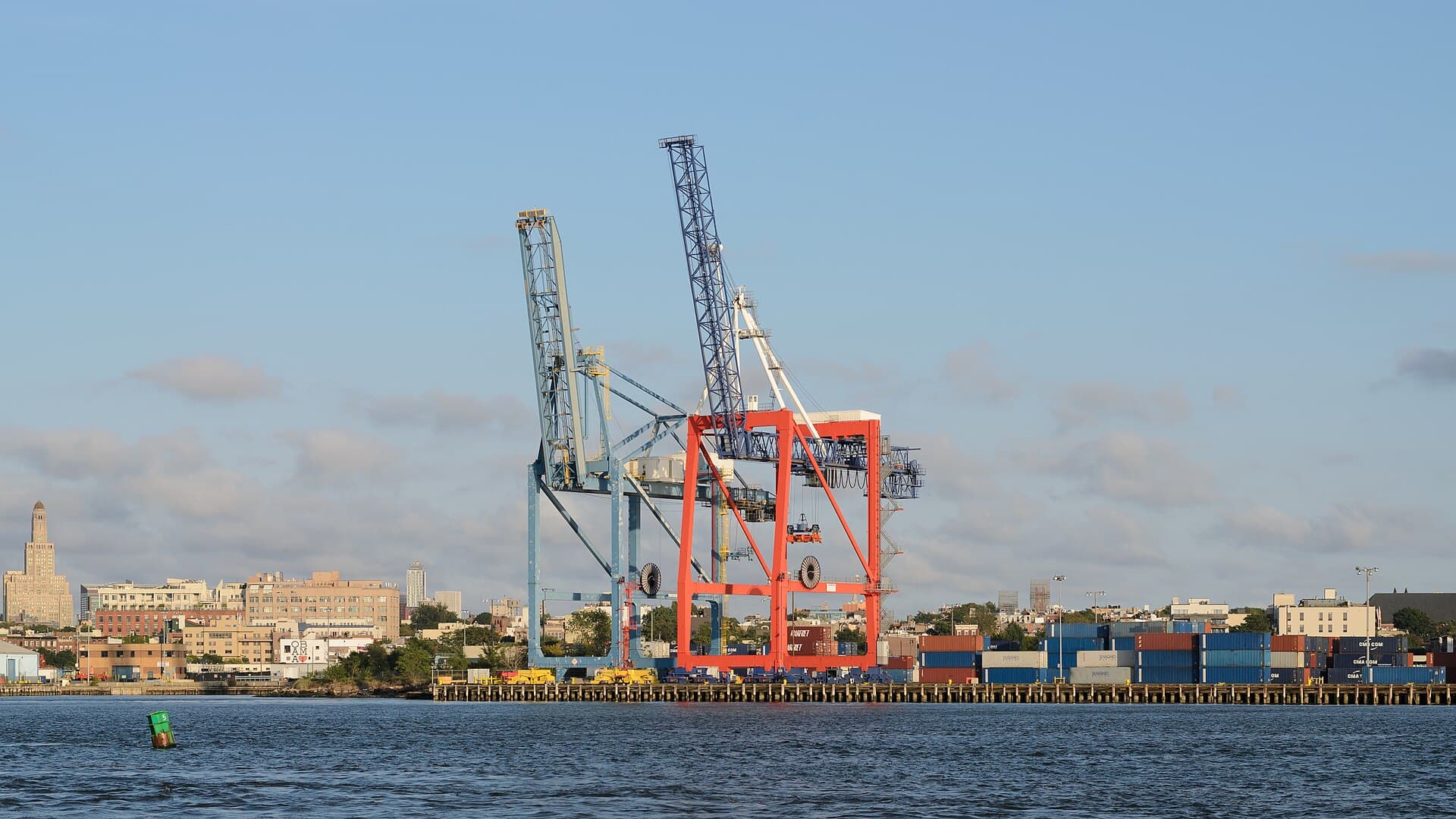 Structural corrosionWO-0619
Berth 2 · Crane 3 leg · Dispatched
Quays, cranes and terminal yards
Ports and terminals
Quay walls, cranes and yard structures inspected without closing a berth, with findings routed straight into the maintenance backlog.
- Explore
Nineteen asset classes, one layer
The six above are where we go deepest. The test for anything on this list is the same: dispersed physical assets, inspected on a cadence, instrumented, and maintained against a record. That is what the four modules do, which is why finance, healthcare and retail are not here however broad the platform gets.
Energy generation
04Networks and utilities
04Built environment
02Not just operations. Every phase of the project.
Most inspection tools arrive once an asset is already running, so the record starts on the day someone bought the tool. Start it at design and it never has a gap in it.
- 01Design & planning
- 02Construction
- 03Commissioning
- 04Operations & maintenance
Design & planning
On site- Site survey and basemap capture
- Terrain model and cut/fill baseline
- Asset hierarchy and naming convention set
- Design package placed under revision control
Into the recordThe ground as it was before anyone touched it, and the names every future finding will hang off.
Worth laterA hotspot found in year seven attaches to a string that was named before it was installed, so nobody has to work out which one it is.
Construction
On site- Scheduled aerial and ground capture
- Progress measured against programme
- Earthworks and stockpile quantities
- Installation quality checks against design
- Safety and access observations logged
Into the recordWhat was actually built, where, and on which date, against what the design said should be there.
Worth laterThe as-built is a by-product of the weekly flights rather than a document somebody reconstructs from memory at handover.
Commissioning
On site- Equipment verified against the design record
- Thermal and electrical test evidence captured
- Punch lists raised, assigned and closed out
- Handover pack assembled with as-builts and certificates
Into the recordTest evidence and certificates, already attached to the components they belong to.
Worth laterA warranty claim two years in comes with the commissioning thermal image beside the failure, in one place, without a search.
Operations & maintenance
On site- Recurring inspection campaigns planned and flown
- Anomalies detected, classified and ranked by severity
- Telemetry watched for drift and predicted failures
- Work orders raised, dispatched and closed
- Compliance and regulatory reporting generated
Into the recordEvery pass, every anomaly, every job closed, written back against the same assets.
Worth laterDegradation is measured against the day the asset was commissioned, not against the first inspection you happen to hold.
Flight plan
- Waypoints42
- Area180 ha
- Ground sample2.1 cm/px
- Terrain baselinev1
“Hey Orbitify, what do we need to fly before groundbreaking?”
Built the survey flight plan from the design package. 42 waypoints, one pass, flying Thursday.
The same asset model carries through, so the as-built you handed over is the one operations inspects against, and no phase starts by rebuilding what the last one already knew.